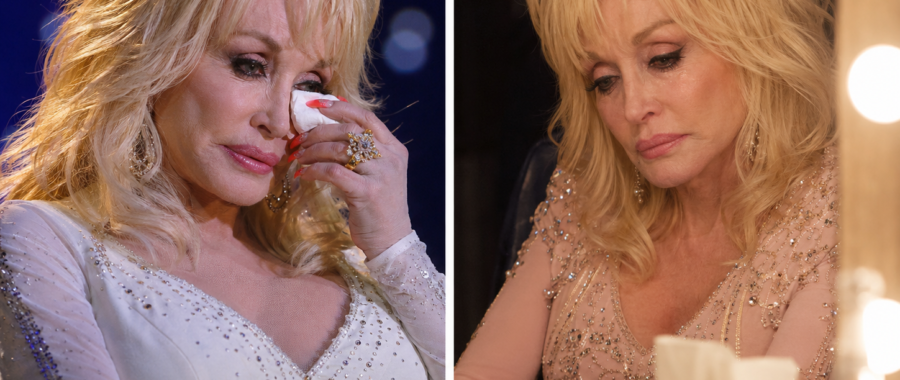
Few public figures have enjoyed the level of admiration that Dolly Parton has earned throughout her remarkable career. For decades, she has been celebrated not only for her music but also for her generosity, humility, humor, and ability to connect with people from every walk of life. Yet even someone as beloved as Dolly Parton is not immune to criticism.
In today’s world, where opinions travel across social media in seconds and public conversations can become heated almost overnight, even the most respected celebrities can find themselves at the center of debate. What makes Dolly Parton’s situation especially interesting is not the criticism itself, but the response it has inspired from countless fans who have spent years supporting her.
The reaction has revealed something that goes far beyond music.
It has revealed the extraordinary bond between an artist and the people whose lives she has touched.
For many fans, Dolly Parton has never been just another entertainer. She represents something larger. She represents perseverance. She represents kindness. She represents the belief that success does not have to come at the expense of compassion.
That reputation was not built overnight.
It was built through decades of hard work, memorable songs, charitable efforts, and a public image that remained remarkably consistent even as the entertainment industry changed around her.
Because of that, many fans find it difficult to watch when criticism begins to overshadow the qualities that made her beloved in the first place.
Across discussions online, one sentiment appears again and again.
People are asking whether society has become too quick to criticize and too slow to remember the positive contributions someone has made over a lifetime.
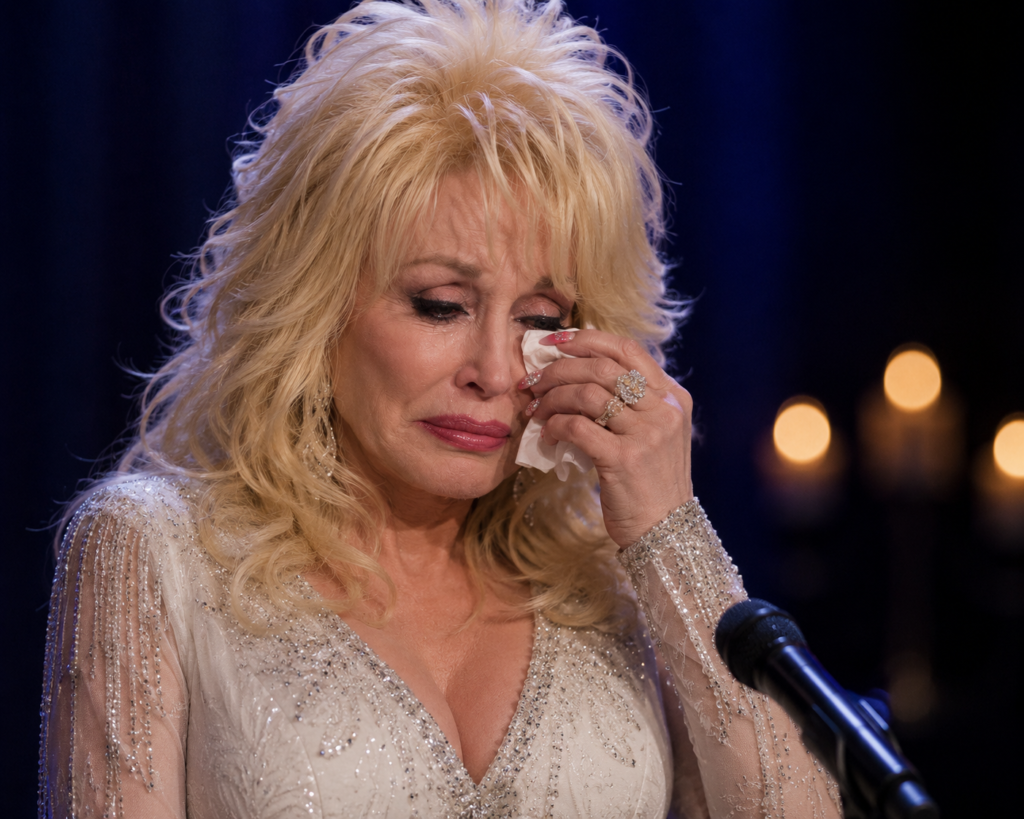
For supporters of Dolly Parton, that question feels particularly important.
After all, this is an artist whose influence extends far beyond chart success.
Her songs became part of family traditions.
They became road-trip soundtracks.
They became memories shared between parents and children.
Tracks such as “Jolene,” “Coat of Many Colors,” and “I Will Always Love You” achieved something few songs ever accomplish. They crossed generations.
Grandparents introduced them to parents.
Parents introduced them to children.
And through that process, Dolly became more than a performer.
She became part of people’s lives.
That emotional connection explains why criticism directed at her often feels personal to many fans.
They are not simply defending a celebrity.
They are defending someone who helped shape meaningful moments in their own stories.
One fan described listening to Dolly’s music during difficult periods of life when hope seemed hard to find.
Another remembered growing up in a household where her records were played every weekend.
Others spoke about the comfort her music provided during heartbreak, loss, and uncertainty.
These experiences help explain why criticism rarely exists in isolation when it comes to someone like Dolly Parton.
Every negative comment is met with thousands of positive memories.
Every criticism is balanced against decades of goodwill.
That does not mean public figures should be immune from discussion or disagreement.
Healthy debate has always been part of public life.
But many supporters argue that context matters.
A lifetime of contributions should not be forgotten because of a temporary controversy or disagreement.
In many ways, the conversation surrounding Dolly reflects a larger cultural issue.
Modern public discourse often rewards outrage.
Social media platforms are designed to amplify strong reactions.
The most emotional comments frequently receive the most attention.
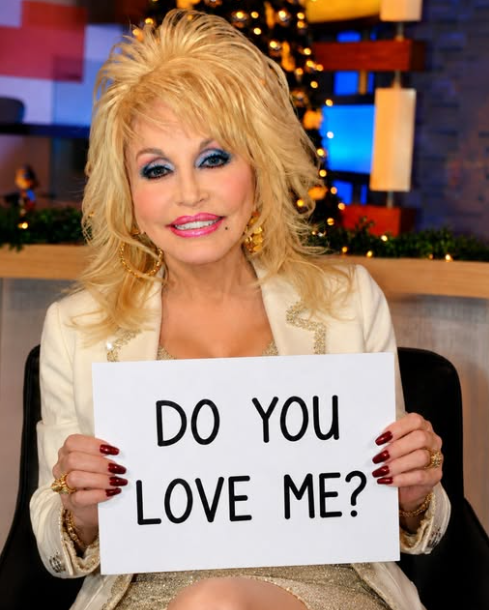
As a result, criticism can sometimes appear larger than it actually is.
A handful of negative voices can dominate headlines while countless positive voices remain largely unnoticed.
Yet when it comes to Dolly Parton, those positive voices have proven difficult to ignore.
Fans have responded not with anger, but with appreciation.
Rather than focusing solely on criticism, many have chosen to share stories about how she impacted their lives.
Some have highlighted her charitable work.
Others have pointed to her efforts to encourage literacy and education.
Many have simply expressed gratitude for the joy her music brought them over the years.
The result has been a remarkable display of loyalty.
It is the kind of loyalty that cannot be manufactured through publicity campaigns.
It can only be earned.
And Dolly Parton has spent a lifetime earning it.
Part of her enduring appeal comes from the fact that she has never tried to present herself as perfect.
Throughout her career, she has often spoken openly about mistakes, challenges, insecurities, and lessons learned.
That honesty helped audiences relate to her.
She appeared human.
Approachable.
Authentic.
In an industry often associated with carefully managed images, that authenticity became one of her greatest strengths.
It also helps explain why fans continue standing beside her when criticism emerges.
People tend to support those they trust.
And trust is something Dolly Parton has cultivated for decades.
Supporters frequently point out that her legacy cannot be measured solely through record sales or awards.
Those achievements are impressive, but they tell only part of the story.
The larger story involves impact.
How many people smiled because of her music?
How many people found encouragement in her words?
How many children benefited from educational initiatives she supported?
How many communities experienced her generosity?
Those questions matter because they reveal a different way of measuring success.
Not through headlines.
Not through social media trends.
But through lives touched.
As discussions continue, one thing remains clear.
Dolly Parton’s relationship with her fans is unusually strong.
Many celebrities enjoy popularity.
Far fewer inspire genuine affection.
There is a difference.
Popularity can disappear quickly.
Affection tends to endure.
The current wave of support demonstrates just how enduring that affection remains.
People who grew up listening to Dolly continue defending her.
Younger audiences continue discovering her work.
Artists from different genres continue expressing admiration for her influence.
Together, they form a community that extends across generations, backgrounds, and political viewpoints.
That broad appeal is rare.
It is also one of the reasons criticism directed toward her often sparks such passionate reactions.
People feel protective of figures who helped shape their lives.
And for millions, Dolly Parton occupies exactly that role.
Whether one agrees with every decision she has made or every opinion she has expressed is ultimately beside the point.
No public figure is universally agreed upon.
The more important question may be what people choose to remember.
Do they remember a moment of controversy?
Or do they remember a lifetime of contributions?
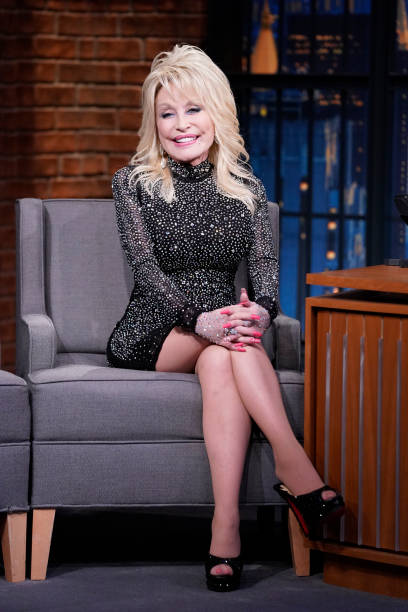
For many fans, the answer is obvious.
They remember the songs.
They remember the laughter.
They remember the generosity.
They remember the example she set through decades of success without losing the warmth and humility that first made people love her.
That is why so many continue speaking up.
Not because they believe she is beyond criticism.
But because they believe her story deserves to be viewed in its entirety.
And when that larger story is considered, it becomes clear why Dolly Parton remains one of the most admired figures in entertainment.
Criticism may come and go.
Public debates may rise and fade.
But legacies are built over lifetimes.
Few people have built a legacy as enduring as Dolly Parton.
And judging by the response from her fans, that legacy remains stronger than ever.