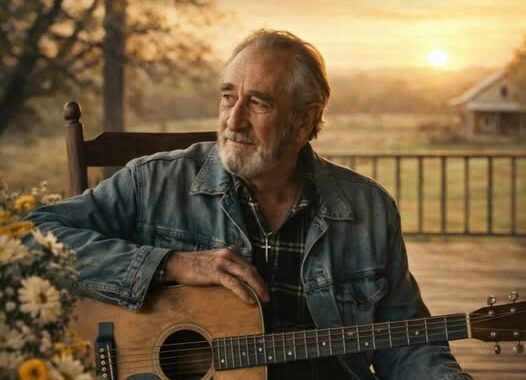
There are certain moments in music history that arrive with immediate shock. The world stops, headlines spread across television screens, and fans everywhere understand that something significant has changed. Then there are other moments—quieter moments—that reveal their true weight only with time. The passing of Don Williams belonged to that second category.
When the news first arrived, country music fans mourned the loss of a beloved artist. They remembered the records, the concerts, and the unmistakable voice that had accompanied them through decades of life. Yet few realized just how much of the genre’s heart had disappeared with him. It would take years for many people to understand that when Don Williams left this world, country music became a little quieter, a little gentler, and a little less certain of how to comfort the people who needed it most.
For millions of listeners, Don Williams was never simply a country singer.
He was a companion.
His voice lived in places where memories were made. It drifted from dashboard radios during long drives down rural highways. It played softly in family kitchens on Sunday afternoons. It echoed from living room stereos while parents danced together after the children had gone to bed. His songs became part of ordinary life, and because of that, they became extraordinary.
Unlike many stars who built careers through larger-than-life personalities, Williams achieved something much rarer. He made himself feel familiar.
Listeners did not feel as if they were watching a celebrity. They felt as though they were listening to a trusted friend.
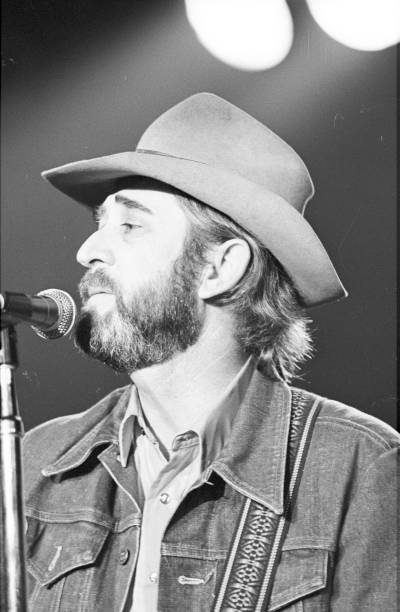
That connection was built on honesty.
His voice carried no pretense. It never sounded rushed. It never seemed interested in impressing anyone. Instead, it communicated something many people desperately needed to hear: that life could be difficult, beautiful, painful, and hopeful all at the same time.
When Don Williams sang, people believed him.
That simple truth became the foundation of one of country music’s most enduring careers.
His nickname, “The Gentle Giant,” was more than a clever description. It was an accurate reflection of who he appeared to be. Standing tall and possessing a deep, rich voice, Williams had a commanding presence. Yet there was nothing intimidating about him. He projected warmth rather than power. Kindness rather than ego.
Fans sensed this authenticity immediately.
In an entertainment industry often driven by spectacle, Williams remained remarkably unchanged. He rarely chased controversy. He avoided unnecessary drama. He seemed content allowing the music to speak for itself.
Perhaps that is why his songs continue to resonate with listeners long after many flashier careers have faded from memory.
Songs such as “I Believe in You,” “Good Ole Boys Like Me,” and “Lord, I Hope This Day Is Good” were not built around trends. They were built around universal human emotions.
Hope.
Love.
Faith.
Longing.
Gratitude.
These feelings never become outdated.
As a result, neither does the music.
What makes Don Williams particularly remarkable is how seamlessly his songs became woven into people’s personal histories. Ask ten fans about their favorite Don Williams memory, and you are likely to hear ten completely different stories.
One person remembers hearing him during military service far from home.
Another remembers dancing to his music at a wedding decades ago.
Someone else remembers a parent who played his records every weekend.
Others remember lonely nights when his calm voice provided comfort during difficult seasons of life.
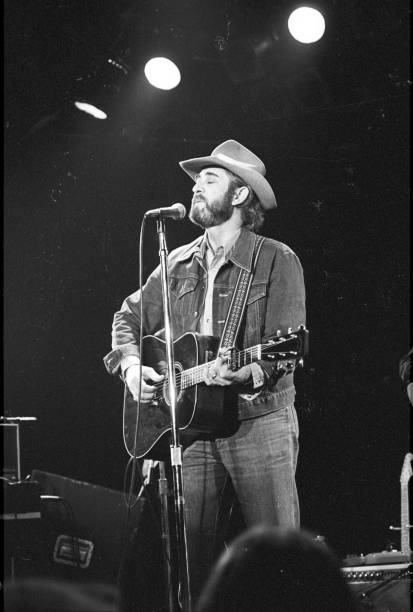
These stories reveal something important.
People do not simply remember Don Williams.
They remember themselves when they listened to Don Williams.
His music became a soundtrack to real lives.
That is why his passing felt different from the loss of many entertainers. Fans were not merely saying goodbye to an artist. They were saying goodbye to a voice that had accompanied them through some of their most meaningful moments.
Yet even then, many did not fully grasp what had been lost.
It is only with distance that his absence becomes more noticeable.
Today’s music industry moves at extraordinary speed. Trends emerge and disappear within weeks. Artists are expected to remain constantly visible. Social media demands endless attention. The cycle never seems to stop.
Against that backdrop, the memory of Don Williams feels increasingly rare.
He represented a different approach to success.
He demonstrated that it was possible to be famous without becoming consumed by fame.
He proved that humility could coexist with greatness.
Most importantly, he showed that music does not need to shout to be heard.
The quiet confidence that defined his career now feels almost revolutionary.
As modern audiences grow increasingly overwhelmed by noise, many find themselves returning to Williams’ recordings. Younger listeners discover him for the first time, while longtime fans revisit songs they have known for decades.
What they find is not nostalgia alone.
They find peace.
There is something uniquely comforting about a Don Williams song. Even when addressing difficult subjects, his music rarely feels heavy. Instead, it offers reassurance. It reminds listeners that challenges are temporary and that simple joys remain worth appreciating.
In many ways, that message may be more relevant today than ever before.
Modern life often encourages people to chase more.
More success.
More recognition.
More achievement.
More attention.
Don Williams quietly suggested another possibility.
Perhaps fulfillment comes not from constantly seeking more, but from appreciating what already exists.
The people we love.
The places we call home.
The memories we create.
The ordinary moments that later become precious.
These themes appear repeatedly throughout his music, and they help explain why his songs continue to feel timeless.
Years after his passing, fans still gather online to share stories about him. They post photographs, favorite lyrics, concert memories, and personal reflections. Many conversations begin the same way.
“I was listening to Don Williams today…”
What follows is usually more than a discussion about music.
It becomes a discussion about life.
About family.
About growing older.
About remembering people who are no longer here.
About gratitude.
In this sense, Williams continues performing a remarkable service for his audience. Even in absence, he creates connection.
His music encourages people to slow down and reflect.
To remember.
To feel.
To appreciate.
Very few artists leave behind that kind of legacy.
Commercial success can be measured through awards and sales figures. Cultural influence can be measured through statistics and records.
But emotional impact is different.
It lives in memories.
It survives in conversations.
It appears unexpectedly when a familiar song begins playing and suddenly transports someone back thirty years.
Don Williams achieved that level of impact.
His songs became companions through life’s journey.
And perhaps that is why so many fans continue returning to them.
Not because of headlines.
Not because of anniversaries.
Not even because of nostalgia alone.
They return because his voice still offers something increasingly difficult to find.
Comfort.
The world changes rapidly. Technology evolves. Generations come and go. Entire musical styles rise and fall.
Yet the feelings evoked by a Don Williams song remain remarkably consistent.
They remind listeners of home.
Of family.
Of simpler days.
Of values that never lose importance.
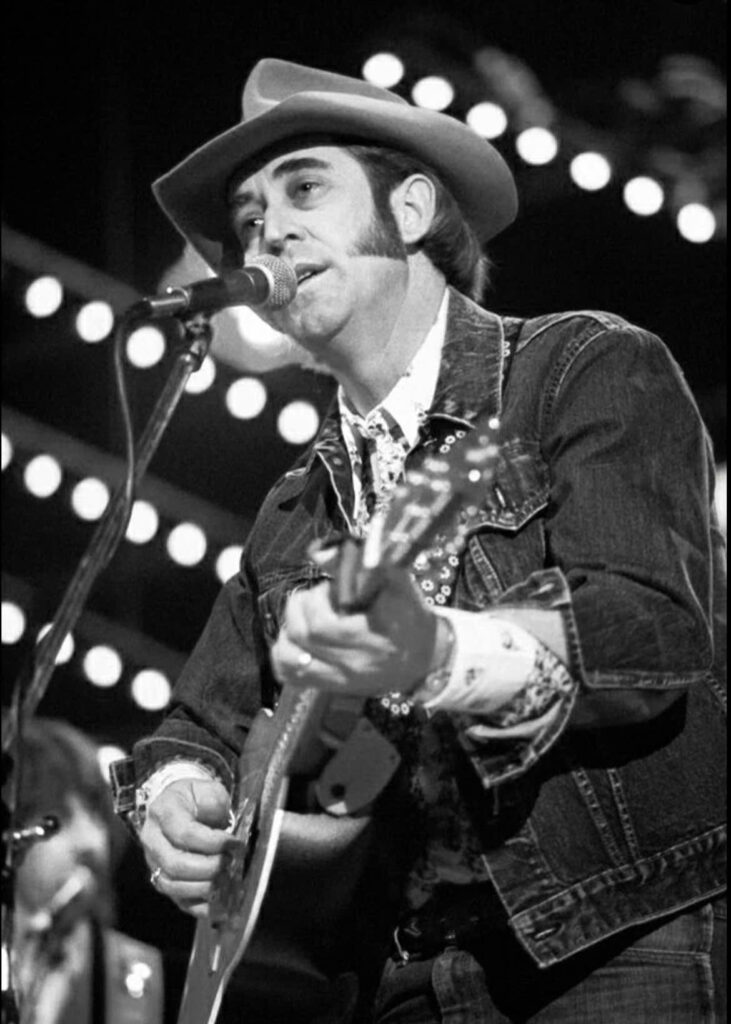
And so, years after the day country music grew quieter, the silence left behind by Don Williams continues to tell its own story.
It tells the story of an artist who never needed to be the loudest voice in the room.
A man who built a legendary career through sincerity rather than spectacle.
A performer who understood that music’s greatest power is not its ability to impress people, but its ability to comfort them.
The Gentle Giant may no longer be here, but his voice remains woven into the memories of millions.
It lives in old records, treasured playlists, and the hearts of those who found strength in his songs.
Perhaps that is why his music still feels so alive.
Because genuine kindness never goes out of style.
Because honesty never becomes irrelevant.
Because some voices become more than entertainment.
They become part of who we are.
And when those voices are gone, we eventually realize something profound.
The world did not merely lose a singer.
It lost a source of comfort.
It lost a reminder that gentleness can be powerful.
It lost a voice that made life feel a little calmer, a little warmer, and a little easier to understand.
That is why fans still return.
That is why the songs still matter.
And that is why, all these years later, Don Williams still sounds like home.