Six simple words.
No dramatic music. No carefully scripted farewell. No elaborate announcement designed to dominate headlines.
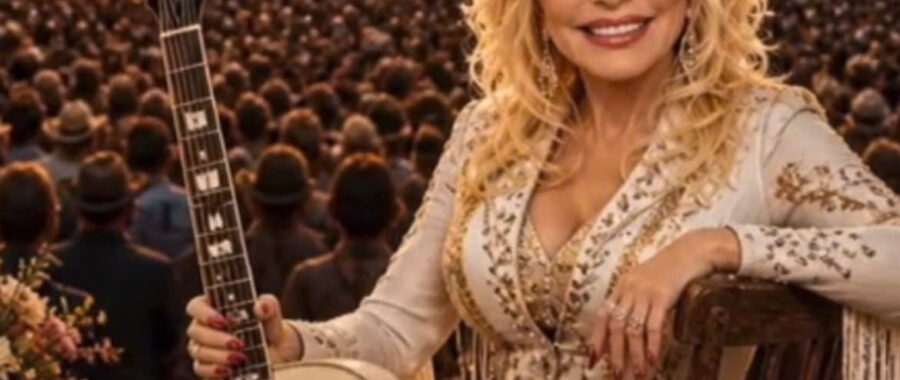
Just six words spoken quietly enough that, for a brief moment, the crowd wasn’t even sure how to react.
“This will be my final tour.”
The audience didn’t erupt into applause.
They didn’t cheer.
Instead, something unusual happened.
They paused.
A silence settled over the room—a silence heavy with understanding.
Because everyone knew those words meant something bigger than a concert schedule.
They weren’t simply hearing about a tour ending.
They were confronting something far more personal.
Time.
For decades, Dolly Parton had been more than a performer. She had become a constant presence in the lives of millions. Her songs had accompanied first loves, heartbreaks, weddings, long drives, family gatherings, and quiet evenings when life felt overwhelming.
She wasn’t merely a voice on the radio.
She was part of people’s memories.
And in that moment, many fans realized they weren’t just watching a beloved artist talk about the future.
They were watching the closing of a chapter that had lasted most of their lives.
The emotional weight of that realization was difficult to describe.
For younger artists, retirement announcements often feel distant. Careers are expected to continue for years. There is always another album, another tour, another opportunity to see them perform again.
But Dolly Parton occupies a unique place in American culture.
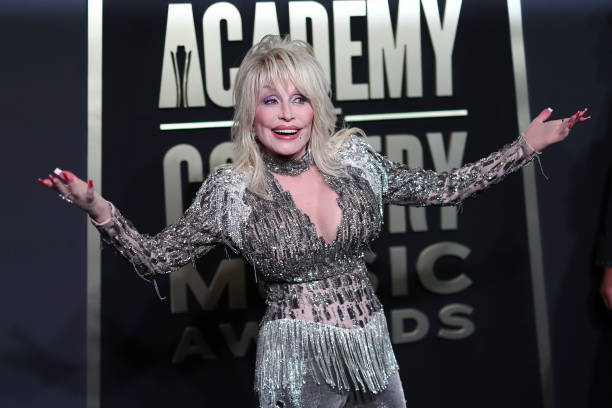
She belongs to multiple generations at once.
Grandparents love her.
Parents love her.
Children know her name.
Few entertainers manage to build that kind of connection.
Even fewer maintain it for more than half a century.
That is why those six words landed differently.
Fans weren’t mourning a career.
They were reflecting on their own lives.
Because when someone has been part of your world for decades, their story becomes woven into your story.
Every song becomes attached to a memory.
Every performance becomes attached to a moment.
Every lyric becomes attached to a feeling you once thought only you understood.
Suddenly, people found themselves remembering.
They remembered hearing Dolly’s voice for the first time.
They remembered records spinning in living rooms.
They remembered parents singing along in kitchens.
They remembered road trips where her songs filled endless miles.
They remembered difficult days made easier by music.
And perhaps most importantly, they remembered who they were when those songs first entered their lives.
Music has a remarkable ability to preserve moments.
A photograph captures an image.
A song captures an emotion.
Years can pass. Entire lives can change.
Yet one familiar melody can instantly transport a person back to another time.
For many listeners, Dolly Parton’s catalog became a soundtrack to their personal history.
That is why the announcement felt so emotional.
Not because fans believed Dolly would disappear.
Not because they expected her music to stop existing.
But because final tours carry a certain truth.
They remind us that nothing lasts forever.
Not careers.
Not eras.
Not even legends.
And while people understand that reality intellectually, hearing it spoken aloud can still feel surprising.
Especially when it comes from someone who has seemed timeless.
Dolly Parton has spent decades defying expectations.
She remained relevant through changing musical trends.
She crossed generations without losing authenticity.
She evolved without abandoning the qualities that made people love her in the first place.
Many artists fade as culture changes.
Dolly somehow became more beloved.
Her appeal grew beyond country music.
She became an entertainer, entrepreneur, philanthropist, storyteller, and cultural icon.
Yet beneath all those accomplishments remained the same quality that first connected her to audiences: sincerity.
People trusted her.
And trust is a rare thing in entertainment.
It cannot be manufactured.
It cannot be purchased.
It must be earned.
Over the years, fans came to believe that what they saw from Dolly was genuine.
The humor felt genuine.
The kindness felt genuine.
The gratitude felt genuine.
Most importantly, the music felt genuine.
That authenticity transformed casual listeners into lifelong supporters.
Many celebrities gain attention.
Few become part of people’s emotional lives.
Dolly Parton accomplished exactly that.
Which explains why the announcement echoed far beyond concert venues.
Social media quickly filled with reactions.
People shared stories rather than headlines.
Instead of discussing ticket sales or tour dates, they talked about memories.
One fan recalled dancing with their father to a Dolly song decades earlier.
Another remembered listening to her music while recovering from loss.
Someone else shared a story about growing up hearing Dolly’s voice every Sunday morning.
The common theme wasn’t celebrity.
It was connection.
Millions of people were suddenly reminded that the soundtrack of their lives had been playing for far longer than they realized.
And that realization carried a bittersweet beauty.
Because endings have a way of making people appreciate things they once took for granted.
A favorite song sounds different when you know it belongs to a closing chapter.
A concert feels different when you suspect it might be the last one.
Moments become more precious when they are no longer guaranteed.
Perhaps that is why fans responded with gratitude rather than sadness.
Of course there was emotion.
Of course there were tears.
But there was also appreciation.
Deep appreciation.
For the songs.
For the memories.
For the decades of companionship that her music provided.
In many ways, Dolly’s announcement became less about farewell and more about reflection.
It encouraged people to look backward and recognize just how much one artist had contributed to their lives.
Not through grand gestures.
Not through controversy.
Not through spectacle.
But through consistency.
Year after year.
Song after song.
Decade after decade.
She showed up.
She sang.
She told stories.
And those stories became part of millions of lives.
That kind of influence cannot be measured by awards alone.
It cannot be measured by chart positions.
It cannot even be measured by ticket sales.
Its true measure exists inside people’s memories.
Inside family traditions.
Inside moments of comfort.
Inside emotions that remain long after the music stops.
As conversations about the final tour continued, many fans reached the same conclusion.
This wasn’t really the end.
At least not in the way endings are usually understood.
Tours end.
Careers eventually slow down.
Stages grow quieter.
But songs have a different relationship with time.
Songs survive.
Songs travel.
Songs outlive generations.
Long after the final encore, people will continue hearing Dolly Parton’s voice in kitchens, cars, living rooms, and headphones around the world.
New listeners will discover old recordings.
Young audiences will encounter songs written before they were born.
And somehow, those songs will still feel relevant.
Still comforting.
Still familiar.
That may be the greatest achievement any artist can hope for.
Not simply being remembered.
But continuing to matter.
When Dolly Parton spoke those six words, the crowd understood something important.
They were not witnessing the disappearance of a legend.
They were witnessing the conclusion of one chapter in a story that had already secured its place in countless hearts.
And perhaps that is why the room fell silent.
Not because people didn’t know what to say.
But because some moments are too meaningful for immediate applause.
Sometimes the most powerful response is reflection.
Sometimes the deepest emotion arrives in silence.
And sometimes six simple words can make an entire generation realize just how much a voice, a song, and a lifetime of memories have truly meant.
“This will be my final tour.”
Six words.
Yet for millions of fans, they sounded less like goodbye and more like a reminder:
Cherish the music.
Cherish the memories.
Cherish the moments while they are still here.
Because one day, we all discover that the things we thought would last forever were quietly becoming treasures all along.