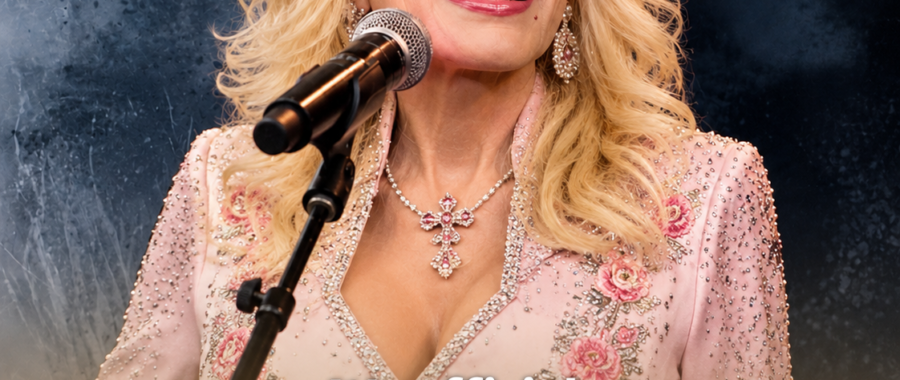
As America prepares to celebrate its 250th anniversary, conversations across the country are beginning to focus not only on history, milestones, and national achievements, but also on the people whose voices have accompanied generations through some of life’s most meaningful moments.
Among those names, one stands out in a way that feels uniquely personal.
Dolly Parton.
For many Americans, the news of Dolly Parton’s involvement in the nation’s 250th celebration is about far more than another public appearance. It is not simply about music. It is not simply about entertainment.
It is about memory.
Because for millions of people, Dolly Parton has never existed solely as a performer standing on a stage.
She has existed in family living rooms.
In pickup trucks traveling country roads.
In holiday gatherings.
In hometown festivals.
In military homecomings.
In weddings.
In moments of heartbreak.
And in moments of joy.
Her music has quietly woven itself into the fabric of American life for generations.
That is what makes this moment feel different.
When a country reaches a milestone as significant as 250 years, people naturally begin reflecting on the story that brought them there.
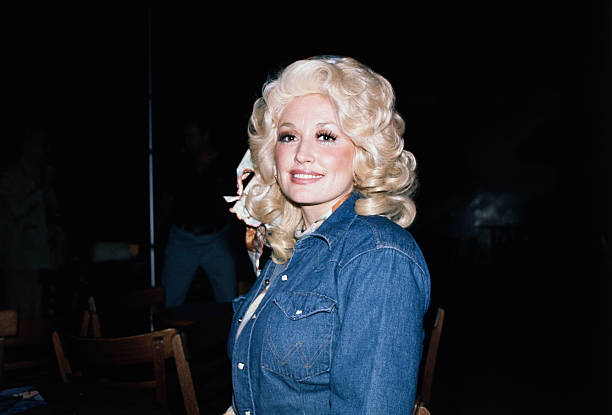
They think about history.
They think about tradition.
They think about the values that have endured despite changing times.
And perhaps most importantly, they think about the experiences that connect one generation to the next.
Music has always played an important role in that connection.
Long before streaming services and social media platforms, songs traveled through communities, families, and friendships.
A song could become attached to a moment so completely that hearing it years later instantly transported people back in time.
Dolly Parton’s music has done that for countless Americans.
For some, her songs remind them of childhood.
They remember hearing her voice coming from a kitchen radio while parents prepared dinner.
They remember family vacations with country music playing softly in the background.
They remember grandparents singing along to familiar lyrics.
For others, her music represents comfort during difficult seasons.
A familiar voice during uncertain times.
A reminder that hope and resilience still matter.
And for many, Dolly became a symbol of something increasingly rare in modern life—authenticity.
Throughout her extraordinary career, she remained connected to the values that first shaped her.
Despite global fame, international recognition, and decades of success, she continued to speak openly about family, faith, gratitude, and perseverance.
Those qualities resonated with audiences because they felt genuine.
People trusted her.
Not because she was perfect.
But because she felt real.
That trust has become one of the defining characteristics of her legacy.
And it helps explain why her participation in America’s 250th celebration feels so meaningful.
The event itself represents far more than a date on a calendar.
It represents a national reflection.
A moment to consider where America has been, where it is now, and what values continue to unite its people.
In many ways, Dolly Parton’s career reflects a similar journey.
She emerged from humble beginnings and built a remarkable career through talent, determination, and hard work.
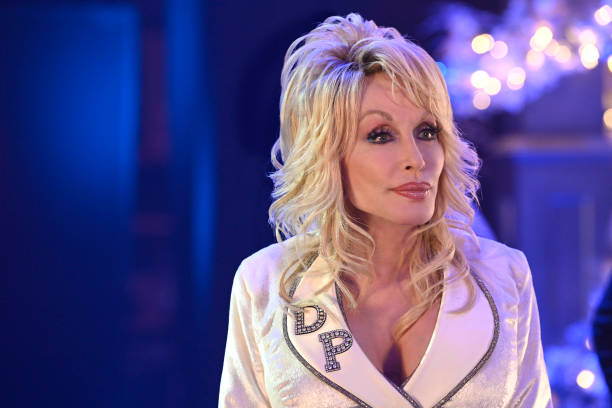
Her story became part of the larger American story.
A story about opportunity.
A story about resilience.
A story about believing that circumstances do not define destiny.
These themes have always existed within her music.
Even listeners who never analyzed her lyrics closely often felt their impact.
The songs carried messages of hope.
Messages of perseverance.
Messages about facing life’s challenges with courage and dignity.
Those ideas continue to resonate because they are universal.
As America approaches its 250th anniversary, many people are revisiting memories connected to artists who helped shape the soundtrack of their lives.
For countless fans, Dolly Parton sits near the top of that list.
What makes her influence particularly remarkable is its reach across generations.
Many artists succeed in connecting with a single era.
Dolly connected with several.
Parents introduced her music to their children.
Children eventually introduced it to their own families.
The songs traveled forward.
The stories traveled forward.
The connection remained.
That type of longevity cannot be manufactured.
It must be earned.
And Dolly earned it through decades of consistency, authenticity, and genuine care for her audience.
People often describe her music using words that extend beyond entertainment.
Comforting.
Familiar.
Warm.
Encouraging.
Hopeful.
Those descriptions reveal something important.
Listeners rarely discuss Dolly Parton solely in terms of chart positions or awards.
Instead, they talk about how she made them feel.
And feelings often become memories.
A song becomes associated with a first dance.
A graduation.
A military reunion.
A holiday gathering.
A long drive home.
Years later, hearing that same song brings the entire experience rushing back.
That is the power of music.
And few artists have harnessed that power as effectively as Dolly Parton.
As preparations for the nation’s celebration continue, many Americans are reflecting on how deeply certain artists became intertwined with their personal histories.
The conversation is no longer simply about a performance.
It is about significance.
It is about recognizing the role music plays in shaping cultural memory.
And few voices have contributed more to those memories than Dolly’s.
There is also something fitting about her presence at a celebration dedicated to America’s heritage.
Throughout her career, Dolly has represented both tradition and progress.
She honored the past while continuing to evolve.
She embraced her roots without becoming trapped by them.
She managed to remain relevant across decades without sacrificing authenticity.
That balance mirrors many of the ideals people hope to celebrate during the nation’s anniversary.
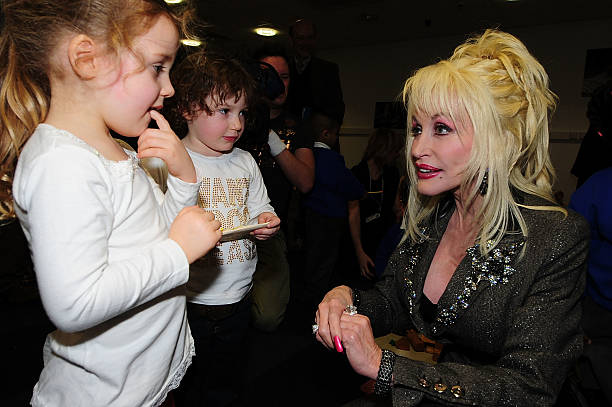
Respect for history.
Belief in possibility.
Commitment to community.
Faith in the future.
These values are woven throughout her career and public life.
Perhaps that is why so many people reacted emotionally when they learned she would be part of the celebration.
The announcement sparked more than excitement.
It sparked reflection.
People began remembering concerts.
Remembering songs.
Remembering moments from their own lives connected to her music.
In doing so, they were reminded of something larger.
The most important cultural figures are not always the loudest.
They are often the ones who quietly accompany people through life.
The ones who appear during meaningful moments.
The ones who become part of family traditions.
The ones who remain present long after trends have faded.
Dolly Parton belongs firmly within that category.
Her music has survived because it speaks to experiences that never disappear.
Love.
Faith.
Family.
Perseverance.
Gratitude.
Hope.
These themes remain just as relevant today as they were decades ago.
And they remain central to the story many Americans tell about themselves and their country.
As the nation prepares to celebrate 250 years of history, there will undoubtedly be countless performances, ceremonies, and commemorations.
There will be speeches.
Tributes.
Historical reflections.
Moments designed to honor the past while looking toward the future.
Yet for many people, one familiar voice may carry a special significance.
Because hearing Dolly Parton is not simply hearing music.
It is hearing memories.
It is hearing family stories.
It is hearing echoes of moments that helped shape lives.
It is hearing reminders of where people came from and what matters most.
That is why her participation feels so meaningful.
Not because she is famous.
Not because she is successful.
Not because she is an icon.
But because her voice has become part of the American experience itself.
Some artists leave behind hit records.
Some leave behind awards.
Some leave behind headlines.
The rarest artists leave behind memories.
And as America prepares to mark one of the most important milestones in its history, millions of people are being reminded that Dolly Parton’s greatest achievement may not be found in any chart, trophy, or statistic.
It may be found in the countless lives she has touched along the way.
Because some songs entertain us for a moment.
Others stay with us for a lifetime.
And few voices have accompanied more American memories than the voice of Dolly Parton.
As the nation celebrates 250 years of history, that voice will once again become part of the story.
And for millions of listeners, it will feel less like a performance and more like coming home.