
Country music has always loved stories of struggle and redemption. Audiences celebrate artists who overcome rejection, survive failure, and find success when the odds seem impossible. Yet few stories in country music history are as remarkable—or as understated—as the journey of Don Williams.
Unlike many legends whose rise was marked by dramatic breakthroughs and overnight fame, Don Williams built his career through patience, persistence, and quiet determination. Before he became one of the most beloved voices in country music, before he recorded dozens of chart-topping hits, and before he earned the nickname “The Gentle Giant,” he was simply a man trying to figure out what came next after a dream appeared to be slipping away.
At one point, it seemed entirely possible that country music might never hear from him again.
A Promising Beginning
In the 1960s, Don Williams was part of the Pozo-Seco Singers, a folk-pop trio that found genuine success during a highly competitive era in American music.
The group secured a recording contract with Columbia Records and enjoyed enough recognition to suggest a bright future lay ahead. For a young musician from Texas, it appeared the difficult first steps had already been taken.
The music industry can be unpredictable, however.
Success often arrives without warning, and it can disappear just as quickly.
For a while, the Pozo-Seco Singers seemed positioned to continue growing. Their recordings attracted attention, and opportunities continued to emerge.
Then everything changed.
The End of a Dream
By 1969, the group had dissolved.
The momentum that once seemed so promising had disappeared.
The recording opportunities slowed.
The excitement faded.
And suddenly, Don Williams found himself facing a reality many musicians understand all too well.
The dream had stalled.
Unlike the dramatic comeback stories often portrayed in movies, there was no immediate rescue waiting around the corner.
There was no major label rushing in.
There was no instant solo breakthrough.
There was simply life.
Williams stepped away from the spotlight and began taking ordinary jobs.
The music business no longer seemed interested in him.
Bills still needed to be paid.
Responsibilities remained.
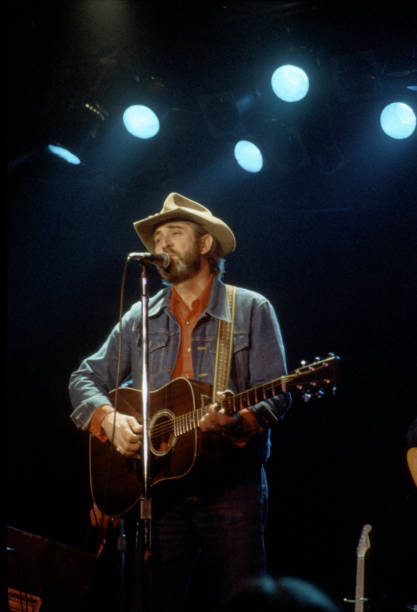
And so he entered the workforce like countless other Americans.
For many artists, this is where the story ends.
A few records.
A few years of promise.
Then a quiet return to everyday life.
At the time, nobody could have blamed Don Williams if he had decided to leave music behind permanently.
After all, he had already experienced disappointment.
He had already seen success vanish.
And the future offered no guarantees.
The Forgotten Years
Those years away from the spotlight would later become one of the most fascinating chapters of his story.
The public often assumes that successful artists move directly from one achievement to the next.
The reality is rarely so simple.
During this period, Don Williams was not a star.
He was not filling concert halls.
He was not appearing on television.
He was not recording chart-topping hits.
Instead, he was living the kind of life that millions of ordinary people live every day.
What makes this period remarkable in hindsight is that it shaped the qualities audiences would later love most about him.
The humility.
The patience.
The authenticity.
The absence of ego.
These qualities would eventually become defining characteristics of his career.
But at the time, nobody knew what the future held.
Not even Don Williams himself.
Returning Through the Side Door
In 1971, something changed.
Williams decided to return to Nashville.
Importantly, he did not return as a star.
He did not arrive demanding attention.
He did not expect special treatment.
Instead, he took a position as a songwriter for Jack Clement’s publishing company.
It was a humble re-entry into the music industry.
While many artists dream of standing center stage, Williams began again behind the scenes.
He focused on songwriting.
He learned.
He waited.
He worked.
The return was not glamorous.
But it was crucial.
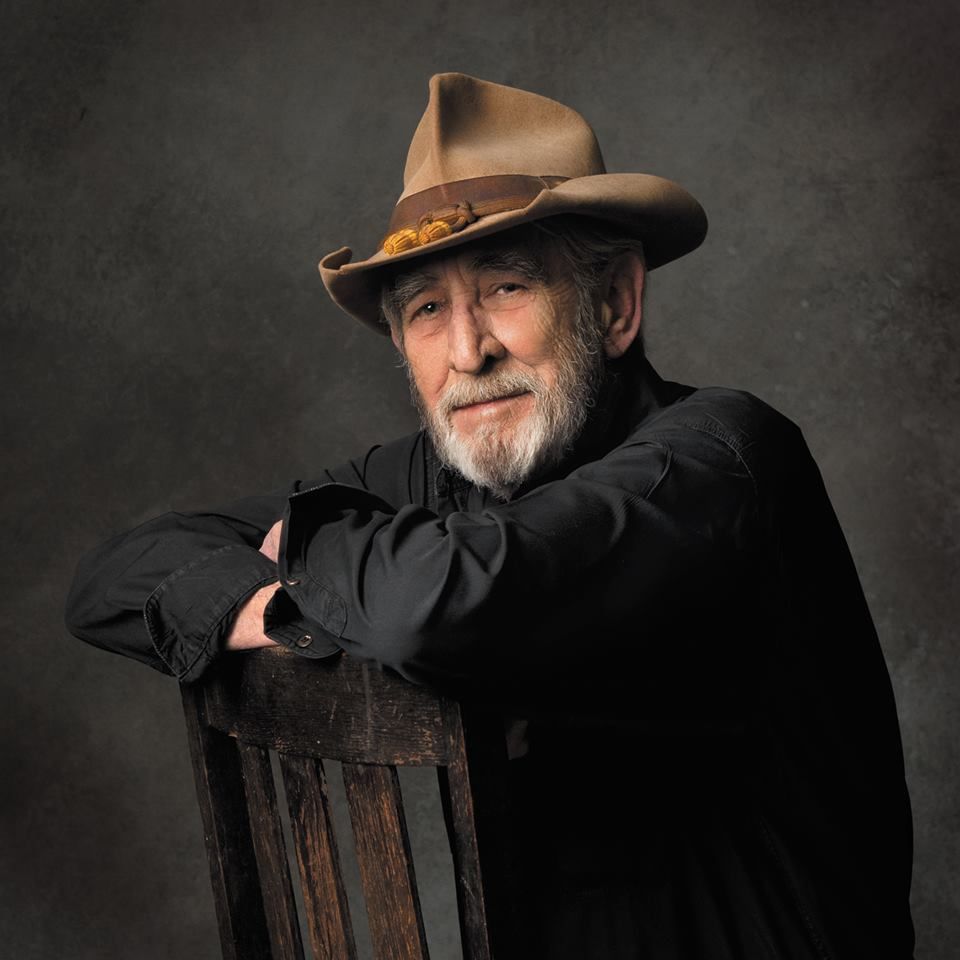
In many ways, this chapter reveals the true nature of his character.
Rather than chasing immediate fame, he was willing to rebuild patiently from the ground up.
That patience would soon pay off.
A Voice Waiting To Be Heard
One of the remarkable things about Don Williams is that the qualities that eventually made him famous were already there.
The deep baritone voice.
The calm delivery.
The effortless sincerity.
The ability to make listeners feel comfortable.
None of these traits suddenly appeared later.
The challenge was that the industry had not yet figured out what to do with them.
At a time when bigger personalities often attracted the most attention, Williams represented something entirely different.
He was subtle.
He was restrained.
He was gentle.
His voice did not demand attention.
It earned it.
For years, that distinction may have slowed his rise.
Eventually, it would become his greatest strength.
The Solo Career Begins
In 1972, JMI Records signed Don Williams as a solo country artist.
The opportunity was significant.
Yet even then, success did not arrive overnight.
The early records performed modestly.
Progress came slowly.
Nothing about his career suggested an immediate explosion into superstardom.
But Williams remained patient.
He continued recording.
He continued refining his style.
And little by little, audiences began to notice.
Listeners responded to something that felt increasingly rare.
Authenticity.
His songs sounded genuine.
His voice sounded trustworthy.
His performances felt effortless.
People believed him.
That emotional connection would prove more valuable than any marketing campaign.
The Breakthrough
Everything began changing when “We Should Be Together” climbed into the Top 5.
The song demonstrated that audiences were embracing Williams’ unique approach.
For the first time, the industry began paying serious attention.
The success opened new doors.
Soon afterward, Williams moved to ABC/Dot Records, where even greater opportunities awaited.
Then came the moment that changed everything.
In 1974, “I Wouldn’t Want to Live If You Didn’t Love Me” became his first No. 1 hit.
The breakthrough was complete.
After years of uncertainty, setbacks, and quiet persistence, Don Williams had finally arrived.
But unlike many stars who dramatically announce their presence, Williams seemed almost unchanged.
The same calm voice.
The same humble demeanor.
The same quiet confidence.
Only now, millions of people were listening.
The Gentle Giant Takes Over
Following his first No. 1 hit, Don Williams entered one of the most successful periods in country music history.
Hit followed hit.
Albums sold consistently.
Concert audiences grew.
Radio stations embraced his music.
Songs such as “I Believe in You,” “Lord, I Hope This Day Is Good,” “Tulsa Time,” and “Some Broken Hearts Never Mend” helped establish him as one of the defining voices of his generation.
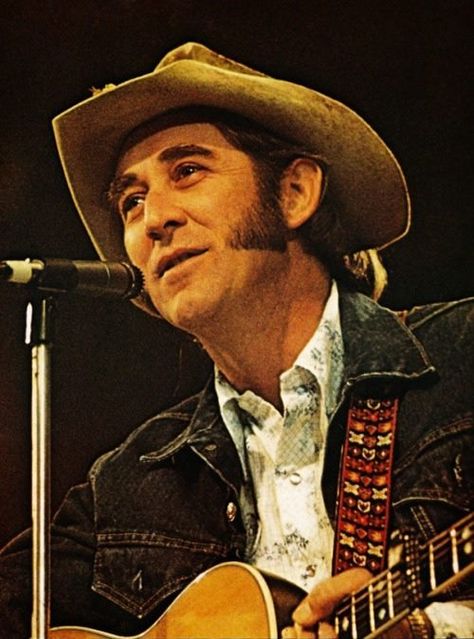
Yet his success remained unique.
He was never the loudest performer.
He was never the most controversial celebrity.
He rarely dominated headlines.
Instead, he became something far more enduring.
He became trusted.
Listeners knew exactly what they would receive from a Don Williams record.
Honesty.
Warmth.
Comfort.
Consistency.
And in a rapidly changing world, those qualities carried enormous value.
A Legacy Built on Patience
Looking back, perhaps the most inspiring aspect of Don Williams’ story is not his success.
It is the path he took to achieve it.
When the group broke up, he could have quit.
When the record deal disappeared, he could have moved on.
When ordinary jobs replaced music, he could have accepted that chapter as the end.
Instead, he quietly returned.
Not through the front door.
Not with fanfare.
Not with demands.
But through patience, hard work, and belief in his own abilities.
Country music eventually recognized what had been standing there all along.
A voice unlike any other.
A performer who never needed to shout.
A man who proved that greatness does not always arrive with noise.
Sometimes greatness waits.
Sometimes it works quietly.
Sometimes it takes the long road.
And sometimes, like Don Williams, it becomes impossible to ignore once the room finally gets quiet enough to listen.
That is why decades later, Don Williams remains one of country music’s most respected and beloved figures.
Not because he forced his way into history.
Because he patiently allowed history to find him.