
Just when fans thought every piece of Don Williams’ musical legacy had been uncovered, an extraordinary surprise has captured the attention of the country music world. A rare recording, believed to have remained unheard for years, is now generating excitement and curiosity among listeners eager to experience one more moment with the voice that brought comfort to generations.
The imagined discovery began in the most fitting way possible—not with a major press conference or a carefully planned publicity campaign, but quietly. According to this fictional scenario, a forgotten reel of studio recordings was reportedly found among archived materials connected to a longtime collaborator. At first, nobody expected anything significant. Boxes filled with old tapes, handwritten notes, and decades-old session documents are not uncommon in the music industry.
Then someone pressed play.
What emerged from the speakers was instantly recognizable.
The voice was unmistakable.
Warm.
Calm.
Gentle.
Don Williams.
For a brief moment, it was as if time had folded back on itself.
Those present reportedly sat in silence as the recording played. Not because it was loud or dramatic, but because it sounded exactly like what fans had always loved about Don Williams. There was no attempt to impress. No vocal acrobatics. No production tricks designed to chase trends.
Just a song.
Just a voice.
And somehow, that was enough.
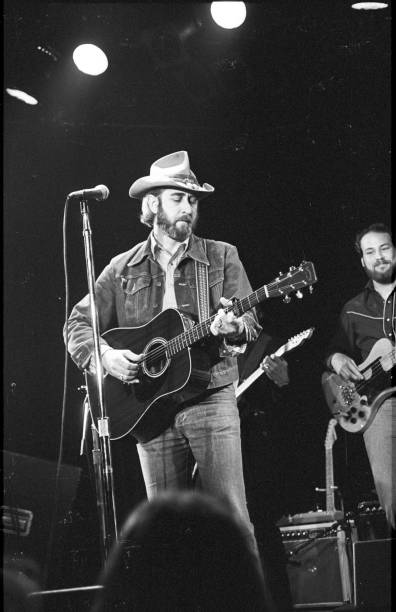
The fictional recording is said to originate from the later years of Williams’ career, though details remain uncertain. Music historians in this imagined story speculate that it may have been recorded during sessions that produced several lesser-known tracks. Others believe it could have been intended for a project that was never completed.
What makes the story especially powerful is not necessarily the song itself.
It is what the song represents.
For millions of fans, Don Williams was never simply another country music star.
He was comfort.
He was consistency.
He was the steady voice that seemed to arrive exactly when people needed it most.
Throughout a career spanning decades, Williams built a reputation unlike almost anyone else in the music industry. While other performers often relied on spectacle and controversy to remain relevant, he followed a remarkably different path.
He stayed true to himself.
That decision earned him one of the most loyal audiences in country music history.
Many fans describe their connection to Don Williams in deeply personal terms. They remember hearing his songs on long drives through rural highways. They remember listening while sitting on front porches during summer evenings. They remember hearing his voice on kitchen radios while families gathered together after long workdays.
His songs became intertwined with ordinary life.
And because ordinary life is where most memories are made, those songs became unforgettable.
In this fictional scenario, news of the recording spreads quickly.
Within hours, social media platforms fill with reactions from longtime listeners.
Many struggle to describe the emotions they feel.
Some express excitement.
Others express gratitude.
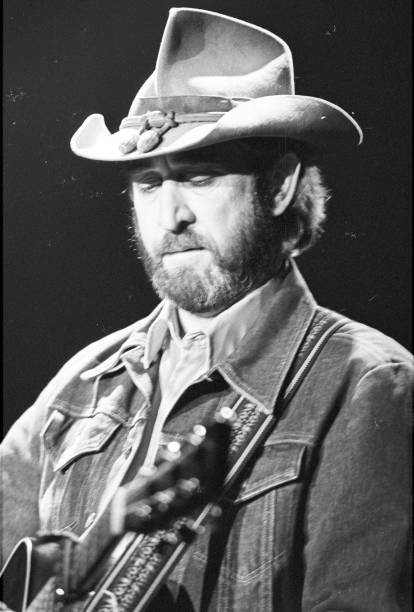
Many simply share memories.
One fan writes that hearing about the discovery feels like receiving a letter from an old friend.
Another says it reminds them of their father, who played Don Williams records every Sunday afternoon.
Others recall moments when songs like “I Believe in You,” “Tulsa Time,” and “Lord, I Hope This Day Is Good” helped them navigate difficult chapters of life.
The responses reveal something remarkable.
People are not merely celebrating the possibility of hearing a new song.
They are celebrating the opportunity to reconnect with a feeling.
That feeling has always been central to Don Williams’ appeal.
He made listeners feel understood.
Unlike many artists whose careers were built around larger-than-life personas, Williams projected something different.
Authenticity.
Listeners trusted him.
His songs rarely sounded manufactured or calculated.
Instead, they felt honest.
That honesty became one of the defining characteristics of his career.
It also explains why this fictional discovery resonates so strongly.
Many legendary artists leave behind vast archives of unreleased material. Yet not every discovery creates widespread excitement. In the case of Don Williams, the emotional reaction stems from the unique relationship he built with his audience.
People miss the voice.
But more importantly, they miss how the voice made them feel.
Music experts often discuss the concept of timelessness.
Very few recordings achieve it.
Most songs eventually become tied to a specific decade or cultural moment.
Don Williams’ music operates differently.
His recordings seem remarkably resistant to aging.
The themes remain relevant.
The emotions remain accessible.
The performances remain sincere.
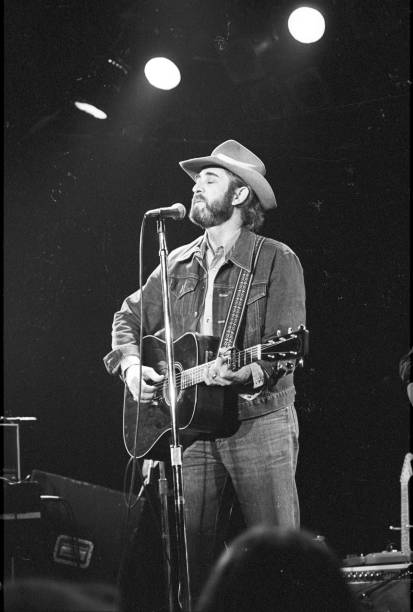
A newly discovered recording, even in this fictional scenario, would therefore feel less like an artifact from the past and more like something capable of speaking directly to listeners today.
That timeless quality may be Williams’ greatest legacy.
He never chased popularity.
Yet he achieved it.
He never tried to become larger than life.
Yet he became legendary.
He never sought to dominate attention.
Yet decades later, people still gather to celebrate his work.
As excitement grows around the imagined discovery, discussions naturally turn toward what made Don Williams unique.
Many point to his voice.
Others highlight his song selection.
Still others focus on his humility.
The truth likely involves all three.
His voice possessed extraordinary warmth.
His songs reflected universal experiences.
And his personality reinforced the authenticity people heard in his music.
Together, these qualities created a rare sense of trust between artist and audience.
That trust continues long after his passing.
In this fictional story, plans begin to emerge for restoring and preserving the recording. Audio engineers carefully work to protect the original tape. Historians examine accompanying notes for clues about the session. Fans eagerly await additional information.
Yet amid all the anticipation, one reality remains unchanged.
The true significance of the recording extends beyond the music itself.
Its value lies in what it reminds people.
It reminds them of road trips.
Family gatherings.
First loves.
Old friendships.
Simple evenings when life felt slower and perhaps a little easier.
The recording becomes a symbol of memory.
And memory has always been one of music’s most powerful gifts.
Great songs do more than entertain.
They preserve moments.
They protect emotions.
They allow people to revisit chapters of life that might otherwise fade away.
Don Williams understood this better than most artists.
His songs were never about impressing listeners.
They were about accompanying them.
Walking beside them.
Offering comfort without demanding attention.
Perhaps that is why the idea of a lost recording feels so meaningful.
It feels less like discovering something new.
It feels like finding something that was waiting patiently to be heard when the world was ready.
Whether imagined or real, stories like this reveal the enduring power of Don Williams’ legacy.
Years after his final performance, his influence remains remarkably strong.
New listeners continue to discover his music.
Older fans continue to treasure it.
And generations continue to find comfort in the quiet wisdom his songs provide.
In an industry often driven by noise, Don Williams built his reputation through gentleness.
In a culture that frequently rewards spectacle, he succeeded through sincerity.
And in a world that changes constantly, his music continues to offer something increasingly rare:
A sense of peace.
That is why the fictional discovery of a long-lost recording captures so much attention.
Not because people are searching for another hit.
Not because they need another headline.
But because they miss hearing a voice that made life feel a little calmer.
A little kinder.
A little more hopeful.
And if a forgotten song from the Gentle Giant were ever to emerge from the shadows, perhaps that would be its greatest gift—not the music itself, but the reminder that some voices never truly leave us.
They simply wait for the right moment to be heard again.