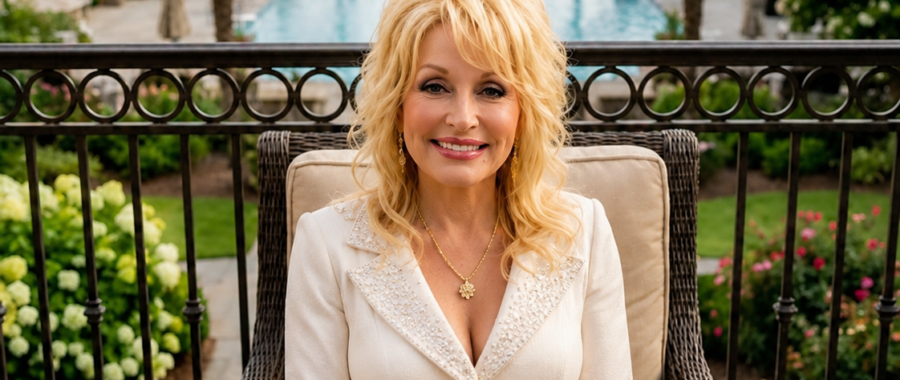
For more than six decades, Dolly Parton has been impossible to ignore.
She has sparkled beneath stage lights in rhinestones brighter than the Tennessee sun. She has written songs that became the soundtrack of heartbreak, hope, faith, and forgiveness. She has made audiences laugh with her unmistakable wit, cry with her timeless lyrics, and believe that kindness can still change the world.
To millions, Dolly isn’t simply a country music legend.
She is a feeling.
A memory.
A voice that has quietly accompanied life’s happiest celebrations and its deepest sorrows.
Yet even for someone whose name seems permanently stitched into American culture, there is one fear that no award, standing ovation, or platinum record can completely silence.
The fear of being forgotten.
Not forgotten tomorrow.
Not while the applause is still echoing.
But years from now, when new generations discover different heroes, different songs, different dreams.
It is a fear that belongs not only to celebrities but to every human being.
What remains after the music stops?
At eighty years old, Dolly Parton has already accomplished what many artists spend a lifetime chasing.
She has sold millions of records.
Won countless awards.
Written songs that have crossed genres, generations, and continents.
Her music has survived changing trends, evolving technology, and an industry that rarely slows down long enough to honor its past.
Yet success has never convinced her that legacy is guaranteed.
Because she understands something few people ever admit.
Popularity is temporary.
Memory is fragile.
History can be surprisingly short.
Today’s icon can become tomorrow’s trivia question.
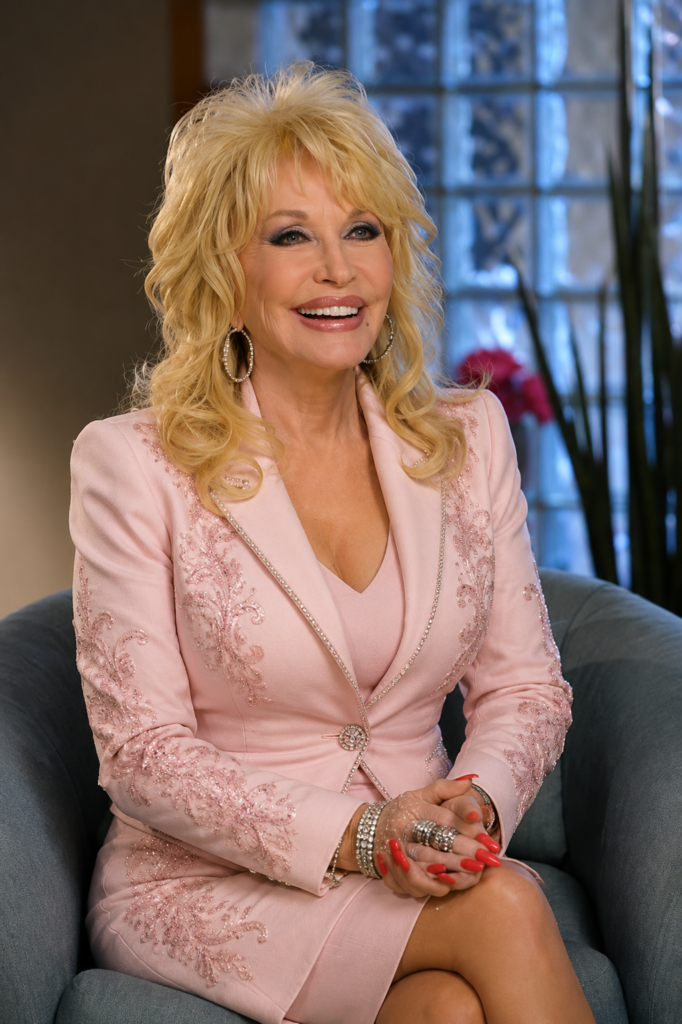
Perhaps that is why Dolly has spent so much of her life building things that exist beyond entertainment.
While fans celebrate the performer, she has quietly invested herself in something far more lasting.
Books for children.
Scholarships.
Communities.
Families.
Programs that encourage literacy.
Opportunities for people she will never meet.
These are not songs climbing the charts.
They are seeds planted in silence.
Because perhaps the greatest way to be remembered is not through fame, but through the lives forever changed by compassion.
Anyone who has listened carefully to Dolly’s music knows that beneath the glitter has always lived remarkable honesty.
Her songs rarely chase perfection.
Instead, they embrace vulnerability.
They tell stories about ordinary people carrying extraordinary burdens.
Broken hearts.
Lost dreams.
Family.
Faith.
Second chances.
Home.
She has never pretended that life is simple.
Maybe that is why people continue returning to her music decades after hearing it for the first time.
They don’t just hear Dolly.
They hear themselves.
There comes a moment in every extraordinary life when achievements begin transforming into memories.
Concerts become photographs.
Tours become documentaries.
New albums become treasured classics.
The future slowly gives way to reflection.
That transition can be beautiful.
It can also be frightening.
Because reflection asks difficult questions.
Did I matter?
Did I love enough?
Did I leave the world gentler than I found it?
Will anyone remember the person behind the public image?
These questions are universal.
They belong to teachers.
Parents.
Grandparents.
Neighbors.
Artists.
Every person who has ever hoped their life carried meaning.
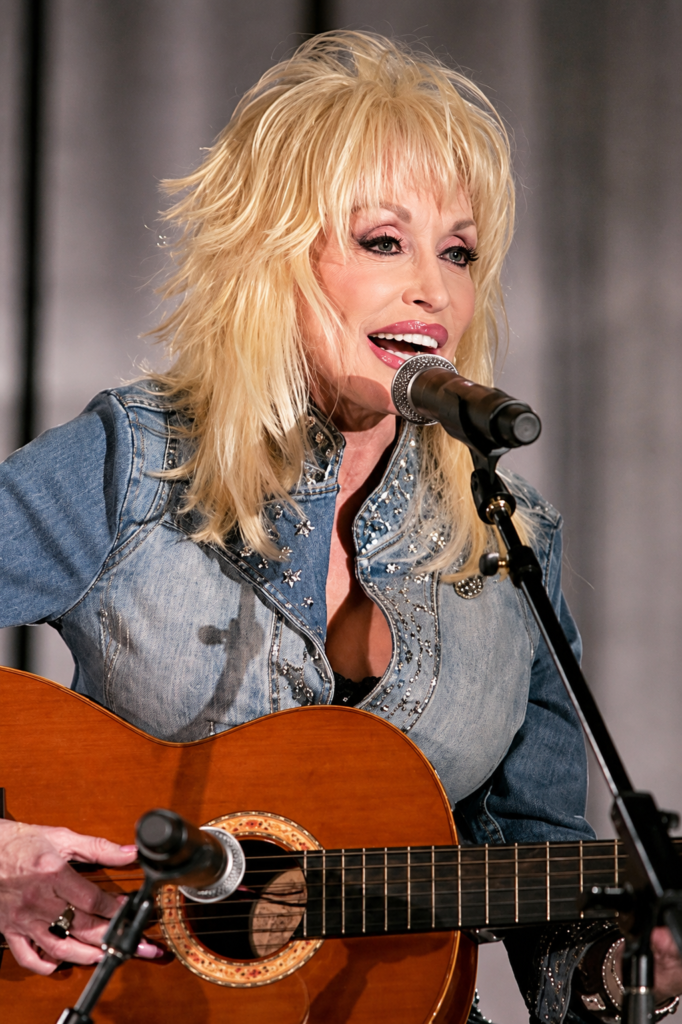
Perhaps this is why Dolly continues working instead of quietly disappearing into retirement.
She still dreams.
Still creates.
Still encourages.
Still surprises.
Not because she has something left to prove.
But because purpose does not expire.
There is something profoundly inspiring about watching someone who has already reached every imaginable milestone continue searching for ways to serve others.
It reminds us that greatness isn’t measured by applause.
It is measured by generosity.
Fans often speak about Dolly’s unmistakable smile.
Her laughter.
Her quick humor.
The playful stories she tells in interviews.
But smiles can sometimes hide thoughtful hearts.
Even the brightest personalities experience moments of uncertainty.
Even those who seem larger than life wonder whether they have done enough.
Whether they have loved enough.
Whether their stories will continue after they are gone.
That uncertainty doesn’t diminish greatness.
It makes greatness human.
There is a beautiful contradiction surrounding Dolly Parton.
She became famous by standing in front of millions.
Yet the moments people remember most often happen away from the spotlight.
The handwritten note.
The unexpected donation.
The quiet encouragement.
The forgotten phone call.
The kindness that cameras never captured.
These moments rarely trend online.
They rarely become headlines.
But they become unforgettable to the people whose lives they touch.
Perhaps that is the truest definition of legacy.
Not being known by everyone.
But being unforgettable to someone.
Music itself has a remarkable way of defeating time.
A song written fifty years ago can suddenly become the soundtrack of someone’s wedding.
A melody recorded decades earlier can comfort a stranger on the hardest day of their life.
A lyric can outlive the person who wrote it.
In that sense, artists never completely disappear.
Pieces of them remain hidden inside every chorus.
Every verse.
Every memory awakened by familiar notes.
Long after audiences forget dates, awards, and chart positions, they remember how a song made them feel.
Feelings survive.
Statistics rarely do.
Perhaps Dolly understands this better than anyone.
Maybe legacy has never really been about preserving a name.
Maybe it has always been about preserving hope.
Every child inspired to read.
Every young songwriter encouraged to keep writing.
Every family strengthened by acts of generosity.
Every listener comforted by lyrics that arrived exactly when they were needed.
These become living monuments.
Not carved in stone.
But carried in hearts.
If there is one lesson Dolly Parton’s remarkable journey continues to teach, it is that fame eventually fades.
Beauty changes.
Stages empty.
Crowds grow quiet.
Time keeps moving.
But kindness echoes.
Compassion multiplies.
Love travels farther than celebrity ever could.
The world remembers people for many reasons.
Some are remembered because they were famous.
Others are remembered because they made people feel seen.
The second kind of memory lasts much longer.
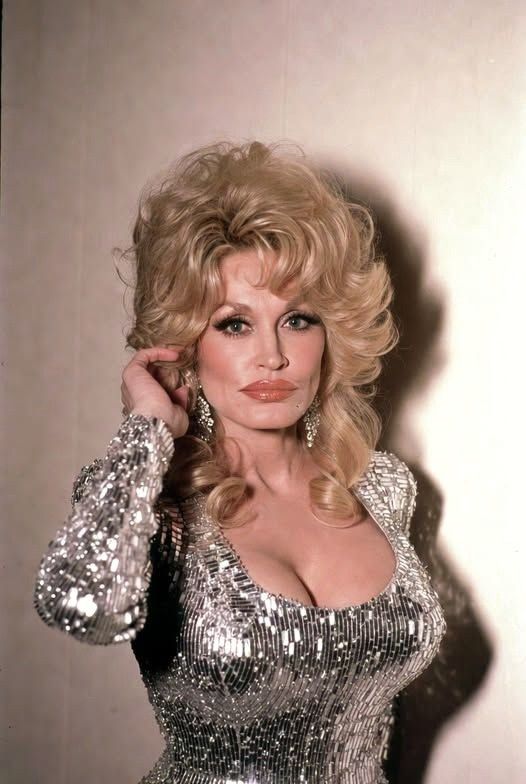
So if someone were ever to whisper, “I’m afraid they’ll forget me,” perhaps the answer has already been written.
Not in award ceremonies.
Not on record sales.
Not inside museums.
But inside countless homes where children learned to read because someone believed books should be free.
Inside families who found comfort through songs of hope.
Inside strangers who discovered courage because one woman’s words reminded them they were never alone.
Legends are celebrated.
But love is remembered.
And perhaps that is why Dolly Parton’s greatest masterpiece was never only the music she recorded.
It was the kindness she scattered wherever she went.
Long after the final curtain falls and the last standing ovation fades into silence, the songs will still be sung.
The stories will still be shared.
The laughter will still echo.
And somewhere, a little girl with a dream, a guitar, and a heart full of hope will discover Dolly Parton for the very first time—not as a memory from the past, but as a light that continues to shine.
Because some voices don’t disappear when the music ends.
They simply become part of the soundtrack of generations yet to come.