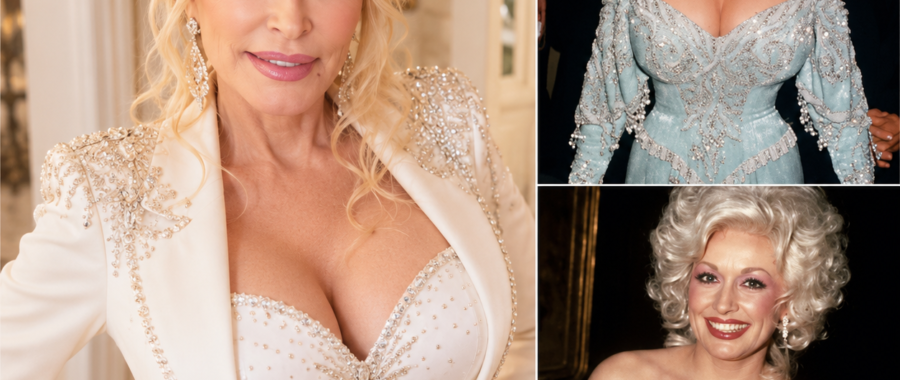
For more than six decades, Dolly Parton has been one of the most recognizable figures in entertainment. Long before social media existed, her sparkling outfits, towering blonde hair, dazzling smile, and unmistakable confidence made her instantly recognizable anywhere in the world. While countless artists have changed their image to follow trends, Dolly has done something far more remarkable—she created a style so unique that it became timeless.
Recently, conversations across social media have once again turned toward Dolly’s appearance. As often happens with celebrities whose public image has remained iconic for generations, speculation and opinions have spread rapidly online. While there has been no public confirmation of any plans regarding cosmetic procedures, the discussion itself has highlighted something much bigger than rumors. It has reignited a timeless conversation about beauty, aging, confidence, and the freedom every person should have to make decisions about their own body.
For many fans, Dolly’s appearance has never simply been about glamour.
It has always been part of the story she chose to tell.
Unlike many public figures who tried to appear effortless, Dolly openly embraced the idea that her look was carefully created. She often joked about her makeup, wigs, rhinestones, and high heels, showing the world that confidence and authenticity can exist together. Rather than hiding behind perfection, she invited people to laugh with her while remaining completely comfortable in her own skin.
That honesty became one of her greatest strengths.
People admired her not because she looked flawless, but because she never pretended to be someone she wasn’t.
Throughout her extraordinary career, Dolly has repeatedly demonstrated that appearance alone cannot sustain lasting success. Fashion trends come and go. Hairstyles change. Public tastes evolve. Yet decade after decade, audiences continued filling concert halls, buying albums, and introducing her music to younger generations.
The reason has always been much deeper than appearances.
Behind every sparkling outfit stood an extraordinary songwriter whose lyrics spoke to ordinary people.
Behind every glamorous photograph stood a woman who never forgot the poverty of her childhood.
Behind every award stood decades of relentless work, creativity, and determination.
Those qualities have become the true foundation of her legacy.
Even so, conversations about appearance continue to follow many women in the public eye, especially as they grow older. Society often places enormous pressure on celebrities to look as youthful as possible while simultaneously criticizing them for any effort they may make to preserve their appearance.
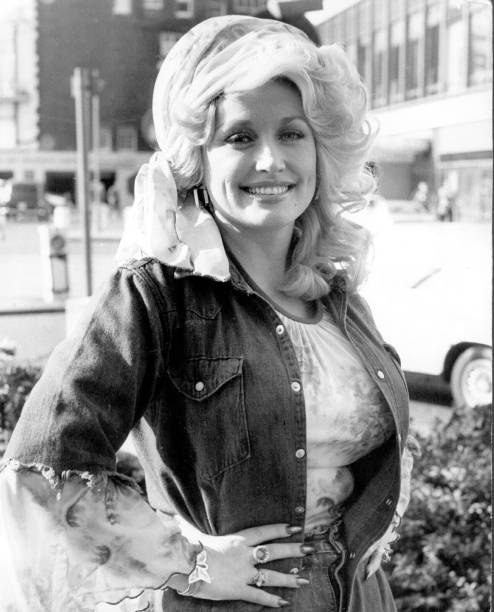
It is a contradiction that countless women understand all too well.
They are told to embrace aging gracefully.
Yet they are also expected to remain forever young.
They are praised for confidence.
Yet judged for the choices they make regarding their own appearance.
This impossible standard is not unique to Hollywood.
It exists in workplaces, families, and communities around the world.
Perhaps that explains why discussions involving Dolly resonate with so many people.
They are never really just about one person.
They become conversations about all of us.
Medical professionals frequently remind the public that every surgical procedure carries risks. While modern medicine has made cosmetic surgery safer than ever before, no procedure is entirely without potential complications. Recovery can become more challenging with age, and physicians generally encourage patients to carefully weigh the benefits against the risks before making any elective decision.
That advice applies universally.
It is not directed toward any single individual.
Whether someone is famous or completely unknown, health remains one of life’s greatest treasures.
Yet another equally important principle exists alongside medical advice.
Personal autonomy.
Every adult has the right to make decisions about their own body after understanding the potential benefits and risks involved. For some people, cosmetic procedures provide confidence and improve emotional well-being. Others choose to age naturally and proudly embrace every wrinkle as a symbol of experience.
Neither path is inherently right or wrong.
What matters is that the decision belongs to the individual.
That balance between health and personal freedom lies at the heart of today’s online discussions.
Some fans argue that preserving physical well-being should always come first, especially later in life.
Others believe that confidence is deeply personal and should never be dictated by public opinion.
Interestingly, both perspectives often come from the same place.
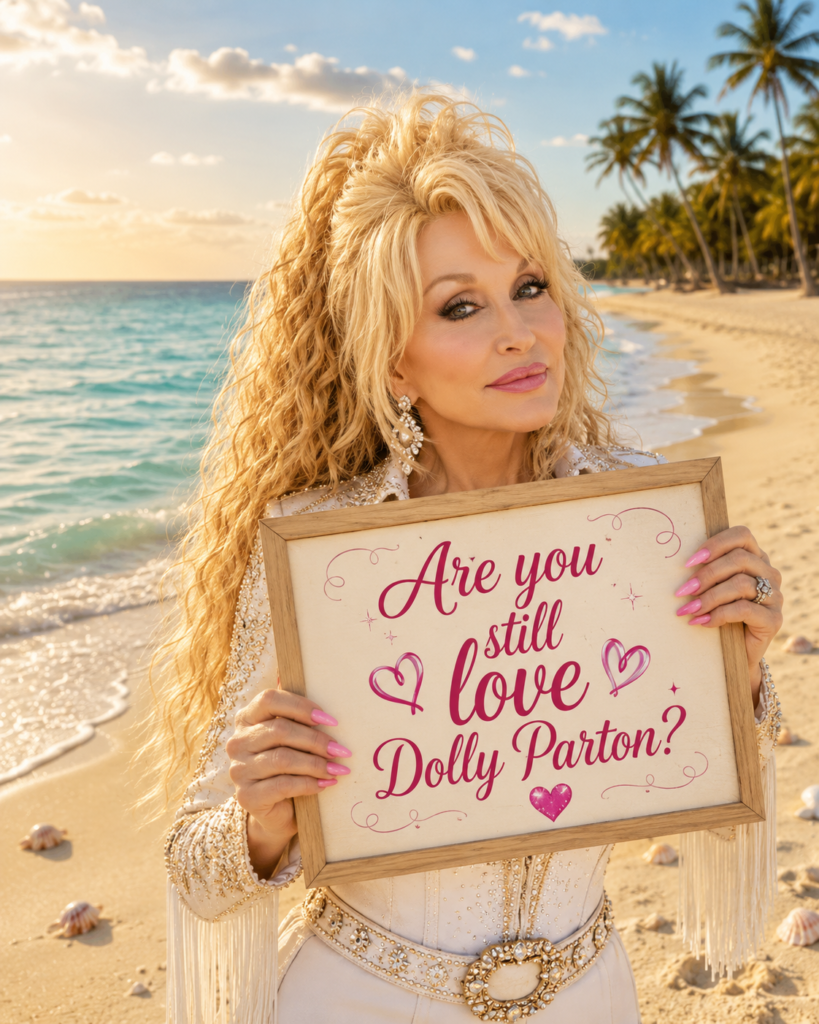
Love.
People care about Dolly because she has spent decades becoming part of their lives.
They worry because they admire her.
They express opinions because they feel connected to her.
That emotional connection is something very few artists ever achieve.
Dolly has never built her relationship with fans solely through music.
She has built it through kindness.
Her charitable work has touched millions of lives.
Children learned to read through programs she created.
Families found hope after natural disasters because of her generosity.
Communities discovered that true success is measured not only by achievement but also by compassion.
Those actions have shaped public perception just as powerfully as any hit song ever could.
Ask someone what they admire most about Dolly Parton, and surprisingly few begin by mentioning her appearance.
Instead, they mention her heart.
Her laughter.
Her generosity.
Her humility.
Her ability to make every person feel important.
That is the kind of legacy no cosmetic procedure could ever create.
Perhaps the greatest lesson Dolly has taught the world is that confidence does not come from meeting someone else’s expectations.
It comes from embracing your own identity.
She never tried to become another artist.
She never apologized for standing out.
She understood that authenticity often attracts criticism, but it also inspires admiration.
That philosophy has encouraged millions of people to stop hiding the qualities that make them different.
Whether discussing beauty, career choices, or personal dreams, Dolly has consistently promoted the same message.
Be yourself.
That simple idea may be more powerful today than ever before.
Social media has created an environment where comparison happens constantly.
Perfectly edited photographs appear every few seconds.
Filters blur reality.
Algorithms reward unrealistic standards.
In that environment, genuine confidence becomes increasingly rare.
Ironically, one of the most glamorous women in entertainment has spent decades reminding people that confidence begins inside rather than in front of a mirror.
That message explains why conversations about Dolly often evolve into conversations about self-acceptance.
People are not merely discussing appearance.
They are asking deeper questions.
What defines beauty?
Can confidence exist without perfection?
Does aging diminish value?
Or does experience create a different kind of beauty that deserves equal celebration?
There may never be universal answers.
But perhaps that is exactly why these discussions continue.
Everyone brings different experiences.
Different fears.
Different hopes.
Different definitions of happiness.
And perhaps every one of those perspectives deserves respect.
Meanwhile, one fact remains unchanged.
Dolly Parton’s influence reaches far beyond appearance.
Her songs continue comforting broken hearts.
Her generosity continues changing lives.
Her humor continues making people smile.
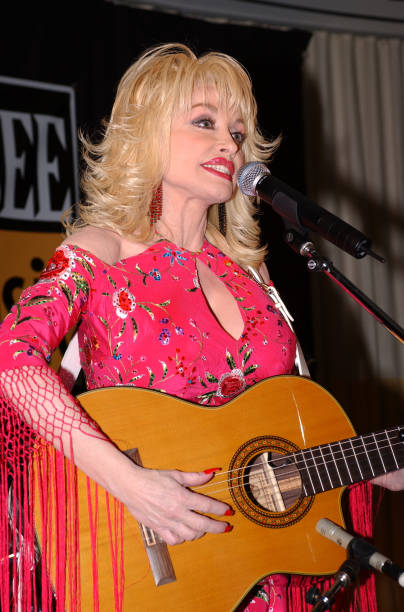
Her resilience continues inspiring dreamers who refuse to let humble beginnings define their future.
Long after fashion trends disappear and public debates fade away, those contributions will remain.
History rarely remembers artists only for how they looked.
It remembers how they made people feel.
By that measure, Dolly Parton has already secured one of the most enduring legacies in modern entertainment.
Her voice became the soundtrack to countless memories.
Her kindness became a model for generosity.
Her optimism became a source of hope during difficult times.
Those are achievements no passing controversy can diminish.
Perhaps the conversation should not focus on whether an icon chooses to change her appearance.
Perhaps it should focus on something far more meaningful.
How fortunate millions of people have been to witness a lifetime devoted not simply to entertaining audiences, but to encouraging them, lifting them, and reminding them that joy is still worth choosing.
Because when future generations remember Dolly Parton, they are unlikely to begin with conversations about glamour.
They will remember the songs that healed broken hearts.
The laughter that brightened difficult days.
The generosity that changed countless lives.
And above all, they will remember a woman who proved that true beauty has never been measured by appearance alone—but by the love, kindness, and hope we leave behind for others.