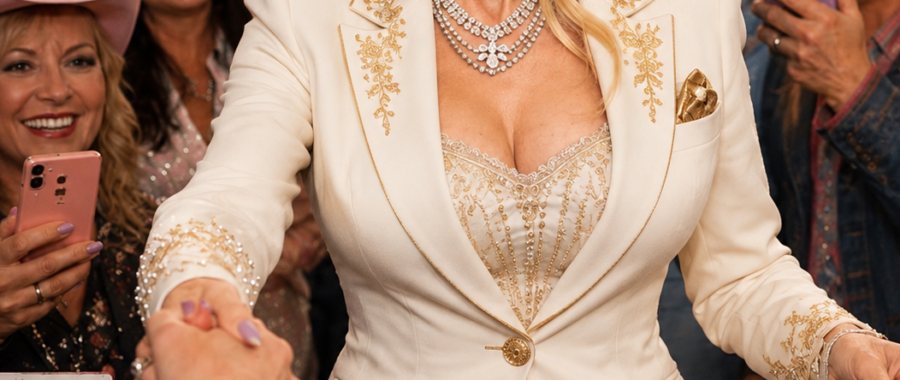
For much of the past year, the world watched Dolly Parton with a mixture of admiration, compassion, and quiet concern. It was a season marked not by sold-out arenas or major career announcements, but by something deeply personal—a period of loss, reflection, and healing that reminded millions that even the strongest hearts carry invisible burdens.
Fans noticed the difference.
There were fewer public appearances. Interviews became less frequent. Social media conversations shifted from celebrating new projects to simply hoping she was doing well. Around the world, people who had grown up with Dolly’s music found themselves sending prayers, encouragement, and messages of gratitude to the woman who had spent decades comforting others through her songs.
For many, it felt as though one of country music’s brightest lights had chosen to step away from the spotlight—not because she had lost her passion, but because life had asked her to slow down and heal.
Then, quietly, everything changed.
There were no flashing cameras.
No dramatic countdown.
No carefully orchestrated publicity campaign.
Instead, Dolly Parton returned in the same way she has lived much of her life—with grace, humility, and a simple message that carried more power than any headline could ever contain.
“I ain’t done.”
Just three words.
Yet those words instantly resonated with millions of people because they represented far more than a comeback.
They represented resilience.
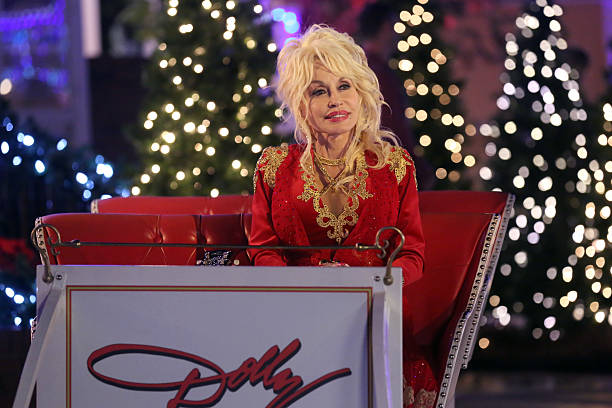
Throughout her extraordinary career, Dolly Parton has never been defined solely by awards, chart positions, or commercial success. She has built something far more enduring than fame. She has built trust. For decades, audiences have believed every lyric she sang because they believed the woman singing them. Whether performing before thousands of fans or quietly supporting communities through charitable work, she has consistently shown that kindness is not simply part of her public image—it is part of who she is.
That authenticity made her recent journey especially meaningful.
People did not celebrate because she announced another project.
They celebrated because they saw someone choosing hope after heartbreak.
Every life experiences seasons of loss.
Some are public.
Most are private.
But healing often looks remarkably similar.
It begins with small steps.
It requires patience.
It demands courage.
And perhaps most importantly, it asks us to believe that tomorrow can still hold purpose even after yesterday brought pain.
That is exactly why Dolly’s quiet return struck such an emotional chord.
Her message was never about pretending difficult moments never happened.
It was about refusing to allow those moments to define the rest of the story.
For generations, Dolly Parton has written songs about perseverance, forgiveness, faith, and unconditional love. Those themes were never simply artistic choices. They reflected the values she carried throughout her own life. Whether celebrating success or facing personal challenges, she consistently reminded people that strength is not measured by how loudly someone speaks, but by how faithfully they continue moving forward.
That philosophy has become one of the defining characteristics of her remarkable legacy.
In today’s entertainment industry, public attention often rewards controversy, conflict, and constant reinvention. Yet Dolly Parton has remained one of the most admired figures in music by following an entirely different path. She has never needed scandal to remain relevant. She has never relied on division to generate headlines. Instead, she has built a career rooted in generosity, humility, humor, and genuine compassion.
Those qualities matter now more than ever.
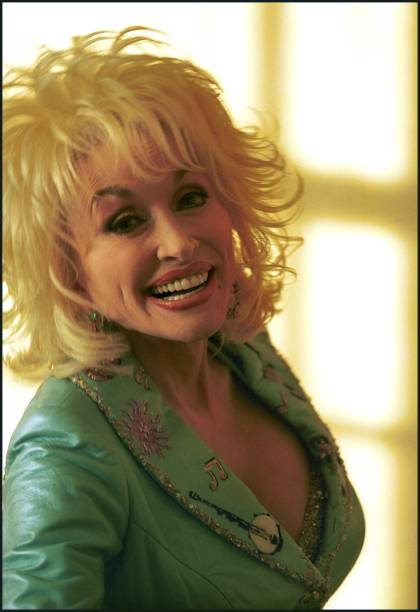
Across social media, fans responding to her quiet comeback shared stories that extended far beyond music. Some wrote about listening to Dolly’s songs while recovering from illness. Others remembered playing her records with parents or grandparents who are no longer here. Many spoke about difficult years in their own lives and how her optimism gave them strength when they needed it most.
That is the extraordinary power of artists whose influence extends beyond entertainment.
They become part of people’s memories.
Part of their healing.
Part of their families.
Few performers achieve that level of emotional connection.
Fewer still maintain it across six decades.
Dolly Parton has done both.
Perhaps that explains why her simple declaration—”I ain’t done”—felt so deeply personal to so many people. Listeners did not hear those words as a celebrity announcement.
They heard them as encouragement.
They heard permission to keep trying.
Permission to keep believing.
Permission to begin again.
In many ways, Dolly’s comeback reflects something much larger than her own story. It reminds us that every chapter of life carries its own challenges. Success does not eliminate grief. Accomplishment does not remove hardship. Even those who spend their lives inspiring others eventually need time to heal themselves.
Recognizing that truth does not diminish greatness.
It makes greatness even more meaningful.
For years, Dolly Parton has encouraged people to embrace hope without denying reality. Her songs acknowledge heartbreak while refusing to surrender to despair. They recognize pain while leaving room for joy. That balance has always separated her music from ordinary entertainment.
It speaks to the human experience.
As her quiet return continues to inspire conversations around the world, many people are once again reflecting on the qualities that have defined her career from the very beginning.
Humility.
Gratitude.
Faith.
Generosity.
Resilience.
These are not qualities that suddenly appeared during difficult times. They were present long before hardship arrived, and they remained long after life became more complicated.
That consistency is precisely why audiences continue to trust her.
In an age where public perception often changes overnight, Dolly has remained remarkably steady. She continues to remind people that authenticity is more powerful than perfection and that compassion leaves a longer legacy than applause.
The phrase “I ain’t done” has now become something larger than a personal statement.
It has become a message embraced by countless fans navigating their own challenges.
People recovering from illness.
Parents rebuilding after loss.
Dreamers refusing to abandon lifelong goals.
Retirees discovering new purpose.
Young musicians searching for encouragement.
Each person hears those three words differently, yet they all arrive at the same conclusion:
The story is not over.
There is still another chapter waiting to be written.
That may ultimately become one of Dolly Parton’s greatest gifts—not simply entertaining audiences, but reminding them that hope remains possible regardless of age or circumstance.
Her comeback is quiet because genuine strength rarely needs to announce itself.
It simply continues.
And perhaps that is why the world continues to admire her after so many decades.
Not because she has lived a life without heartbreak.
Not because every season has been easy.
But because she has repeatedly shown what grace looks like when life becomes difficult.
As fans celebrate this new chapter, they are not merely welcoming back one of country music’s greatest icons.
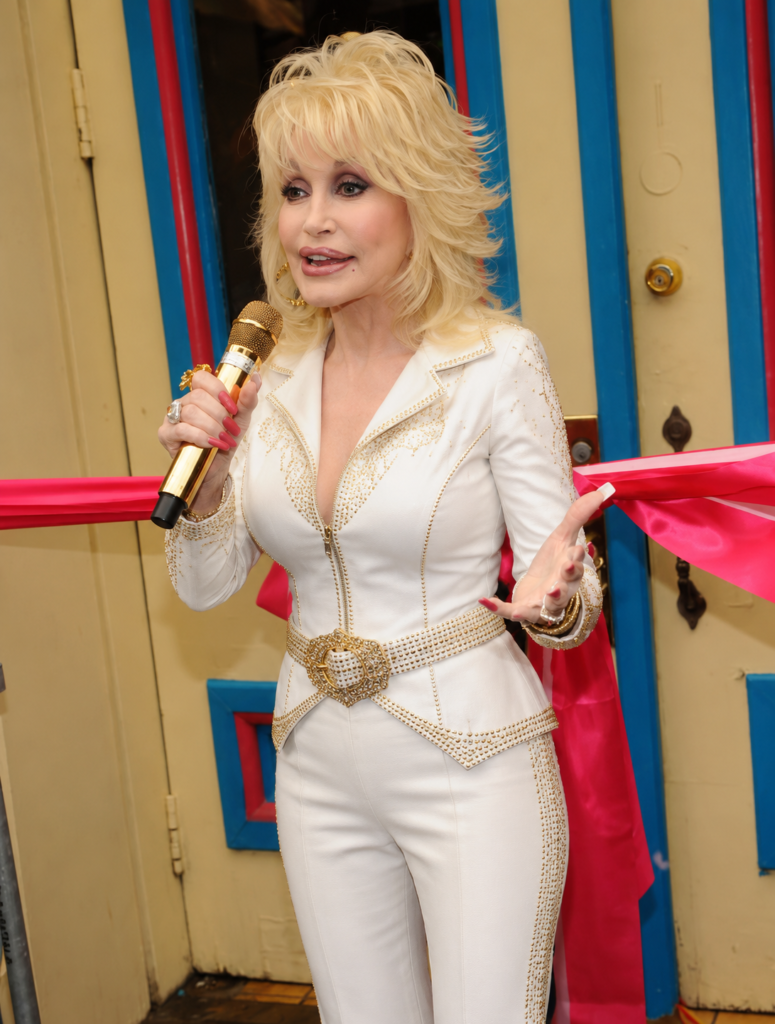
They are celebrating the enduring spirit of a woman who has spent a lifetime proving that kindness can outlast criticism, faith can outlast fear, and hope can outlast sorrow.
Dolly Parton’s journey has never been about being unstoppable.
It has been about continuing to move forward, one step at a time, even when the road becomes uncertain.
Those three simple words—”I ain’t done”—capture that philosophy perfectly.
They are not merely a declaration of determination.
They are a promise.
A promise that purpose does not disappear after loss.
A promise that healing takes time but remains possible.
A promise that courage often speaks in a quiet voice.
And above all, a promise that as long as there is hope, there is always another song to sing, another dream to pursue, another hand to hold, and another reason to believe that the best chapters of life may still be waiting just ahead.