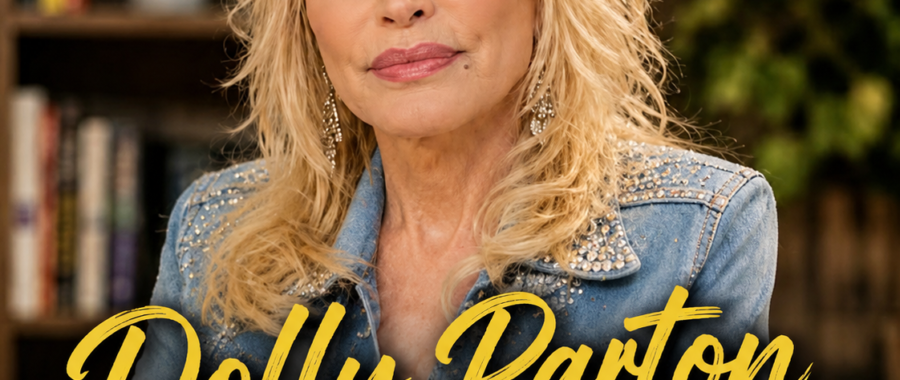
A fictional story inspired by how social media controversies can unfold.
It started with a single sentence.
No one expected it to become one of the biggest conversations in the country music world overnight.
Within hours, social media was flooded with screenshots, opinion videos, reaction posts, and thousands of comments from people claiming they were disappointed by one of country music’s most beloved legends—Dolly Parton.
Some readers insisted her remark had been misunderstood.
Others believed it crossed a line.
Soon, the hashtag #BoycottDollyParton began spreading across multiple platforms, turning what had been a single conversation into a nationwide debate.
In today’s digital world, it doesn’t take weeks for public opinion to change.
Sometimes it only takes minutes.
As more people joined the discussion, fan communities became divided in ways few could have imagined.
One group argued that Dolly’s words had been taken completely out of context. They pointed to her decades of kindness, generosity, and compassion, insisting that one isolated comment should never erase a lifetime of good deeds.
Another group disagreed.
They believed public figures carry enormous influence and should always choose their words carefully. To them, intent mattered less than impact.
“If millions of people admire you,” one fictional commenter wrote, “your words matter.”
Within hours, reaction videos appeared everywhere.
Some creators criticized her.
Others defended her passionately.
Media personalities weighed in.
Country music fans debated in comment sections that seemed to grow longer every minute.
The discussion was no longer just about one sentence.
It had become something much bigger.
People began asking deeper questions.
Can one mistake erase an extraordinary career?
Should celebrities be judged by a single moment?
Or should their entire legacy be considered before reaching conclusions?
Those questions fueled even more discussion.
Meanwhile, longtime fans struggled to understand what was happening.
Many had followed Dolly’s career for decades.
They remembered the young songwriter who transformed country music with unforgettable classics.
They remembered the philanthropist who donated millions to literacy programs and children’s education.
They remembered the entertainer who consistently encouraged kindness, humility, and forgiveness.
To many of those supporters, the controversy simply didn’t feel consistent with the woman they believed they knew.
“I’ve admired her for forty years,” another fictional fan commented.
“I want to hear the full context before I decide what to think.”
Others felt differently.
They argued that popularity should never place anyone above criticism.
“If ordinary people are held accountable for their words,” one commenter wrote, “famous people should be too.”
That disagreement highlighted one of the defining characteristics of today’s online culture.
People rarely wait for complete information.
Instead, reactions often arrive first.
Facts arrive later.
Experts in digital communication have long observed how quickly emotional stories travel online.
Posts expressing anger, disappointment, or outrage frequently spread faster than careful explanations.
Algorithms reward engagement.
Engagement rewards strong emotions.
Before long, millions of people who had never seen the original statement were discussing it anyway.
Some relied on screenshots.
Others relied on headlines.
Many relied on secondhand opinions shared by influencers and friends.
Very few searched for the complete context.
As the fictional controversy continued to grow, another conversation quietly emerged beneath the noise.
What responsibility do audiences have before reacting?
Is sharing a headline enough?
Should people pause before joining an online movement?
These questions rarely receive the same attention as the controversy itself.
Yet they may be the most important questions of all.
History has shown that public opinion can shift dramatically once additional information becomes available.
A short video clip may look entirely different when viewed alongside the full interview.
A single sentence may carry a completely different meaning once the surrounding conversation is included.
Context has become one of the most valuable—and most overlooked—parts of communication.
Throughout her imagined response in this fictional scenario, Dolly remained calm.
Rather than responding with anger, she encouraged people to listen carefully, understand different perspectives, and remember that conversations are often more complicated than headlines suggest.
Whether critics accepted that explanation or not became another source of debate.
Some believed it demonstrated grace under pressure.
Others believed more accountability was necessary.
The internet remained divided.
Meanwhile, country music fans found themselves reflecting on something much larger than one celebrity.
They discussed cancel culture.
They discussed forgiveness.
They discussed whether social media encourages understanding—or simply rewards conflict.
Those conversations extended far beyond the original topic.
Perhaps that is the greatest lesson of this fictional story.
Online controversies are rarely just about one sentence.
They become mirrors reflecting how society communicates, reacts, and judges.
Every share influences perception.
Every comment shapes momentum.
Every headline encourages another opinion.
In many ways, audiences become part of the story itself.
The speed of modern communication makes patience increasingly rare.
People often feel pressure to choose a side immediately.
Support.
Condemn.
Share.
React.
Yet the most thoughtful voices frequently arrive much later—after emotions settle and facts become clearer.
Whether someone chooses to criticize or defend a public figure, the healthiest conversations usually begin with one simple question:
“Do I know the complete story?”
That question may not go viral.
It may never trend.
But it remains one of the most important questions anyone can ask before joining an online controversy.
Perhaps the true challenge is not deciding who is right or wrong.
Perhaps it is learning to slow down in a world that rewards instant reactions.
If there is one message this fictional story hopes to leave behind, it is this:
Legacies are built over decades.
Moments happen in seconds.
The internet often remembers the seconds.
History usually remembers the decades.
And sometimes, the greatest act of wisdom is waiting long enough to understand the difference.