
In an era when the music industry constantly encourages artists to remain visible, release new material every year, and reinvent themselves to stay relevant, Don Williams quietly chose a different path. He stepped away from the recording studio, allowing silence to replace the steady stream of albums that had defined much of his remarkable career. For eight years, fans wondered whether they had already heard the last new songs from one of country music’s most beloved voices.
Then, in 2012, something extraordinary happened.
Without fanfare, without controversy, and without an elaborate promotional campaign, Don Williams returned with And So It Goes. At seventy-three years old, he delivered an album that felt less like a comeback and more like a heartfelt conversation resumed after a long pause. It was not an attempt to compete with younger artists or reclaim chart dominance. Instead, it was a gentle reminder of everything that had made him unforgettable in the first place.
For longtime listeners, hearing Don Williams sing again was like opening a letter from an old friend whose words had always brought comfort. Time had passed, but the warmth remained exactly the same.
The years between 2004 and 2012 had changed country music dramatically. New voices emerged, production styles evolved, and commercial trends shifted toward louder sounds and larger personalities. Throughout those changes, many wondered whether there would still be a place for the quiet simplicity that Don Williams represented.
His answer came not through interviews or public statements, but through music.
The opening moments of And So It Goes immediately revealed that Don Williams had no interest in chasing trends. He did not attempt to modernize his sound to fit contemporary radio. He did not surround himself with unnecessary production or flashy arrangements. Instead, he trusted the qualities that had earned him the admiration of millions over several decades—honest storytelling, understated musicianship, and a voice capable of making listeners feel understood.
That confidence became one of the album’s greatest strengths.
Rather than trying to sound younger, Don Williams embraced the wisdom that only experience could provide. Every lyric carried the perspective of a man who had lived through triumph, disappointment, success, and change. His performances reflected someone who had nothing left to prove, allowing authenticity to replace ambition.

For many artists, returning after such a long absence can be risky. Expectations grow with every passing year. Fans often hope to recapture the emotions they once felt, while critics search for evidence that time has diminished an artist’s abilities.
Don Williams faced those expectations quietly.
And he exceeded them by refusing to compete with his own past.
Instead of attempting to recreate the magic of earlier decades, he created something entirely different—a collection of songs that embraced maturity without sacrificing hope.
The title track, “And So It Goes,” perfectly represented that philosophy.
Its message was never about dramatic endings or sentimental goodbyes. Rather, it reflected life’s natural rhythm. Joy and sorrow. Beginnings and endings. Loss and renewal. Every experience becomes part of the larger story, and every chapter eventually gives way to another.
That quiet acceptance resonated deeply with listeners.
Many fans described the album as peaceful rather than nostalgic. While it certainly reminded audiences why they had loved Don Williams for so many years, it also encouraged them to appreciate the present instead of longing for the past. The songs did not ask listeners to relive yesterday. They invited them to find meaning in today.
That emotional honesty had always been Don Williams’ greatest gift.
Throughout his career, he never relied on dramatic performances or emotional exaggeration. His songs rarely demanded attention. Instead, they patiently waited for listeners to discover them in moments when they were needed most.
Whether someone was driving alone late at night, sitting quietly on a front porch, or reflecting on life’s unexpected turns, Don Williams’ music had an extraordinary ability to meet people exactly where they were.
And So It Goes continued that tradition beautifully.
Listening to the album often feels less like attending a concert and more like sitting across from a trusted friend who has learned a few valuable lessons along the way. There is no judgment in his voice. No urgency. Only calm reassurance that life, despite its challenges, continues moving forward.
That perspective carried particular significance because of Don Williams’ age when the album was released.
At seventy-three, many performers might have chosen retirement or attempted to preserve their legacy by avoiding comparisons with their younger selves. Don Williams chose another path. He demonstrated that creativity does not disappear with age. If anything, it becomes richer, more thoughtful, and more meaningful.
His return reminded audiences that experience has its own unique beauty.
Every wrinkle in his voice reflected another year lived.
Every pause carried intention.
Every lyric felt earned.

Perhaps that is why And So It Goes connected so deeply with longtime fans. They were not simply hearing new songs. They were hearing an artist who had grown alongside them. As listeners matured through marriages, parenthood, careers, heartbreaks, and retirements, Don Williams’ music evolved with similar grace.
His audience recognized themselves within the album.
Many listeners who had first discovered Don Williams decades earlier now found comfort in the wisdom that only passing years could produce. The conversations begun through songs like “I Believe in You,” “Lord, I Hope This Day Is Good,” and “Tulsa Time” had not ended.
They had simply paused.
And So It Goes resumed those conversations with remarkable sincerity.
The album also reaffirmed one of Don Williams’ defining qualities—his refusal to become someone he was not. In an industry often driven by image, reinvention, and constant visibility, he remained steadfastly authentic. His return was not accompanied by dramatic publicity or bold declarations of a new artistic direction.
He simply released an album.
The music spoke.
And listeners responded.
Critics praised the project’s consistency, while fans celebrated something even more meaningful: the return of a familiar voice that had never stopped feeling like home.
That feeling is difficult to manufacture.
It cannot be created through marketing campaigns or expensive production.
It must be earned over a lifetime of honesty.
Don Williams had spent decades earning that trust.
By the time And So It Goes arrived, his audience believed every word he sang because they had watched him live according to the same quiet values his music expressed. Humility, kindness, patience, gratitude, and authenticity were not simply themes within his songs. They were qualities reflected throughout his public life.
This authenticity transformed the album into something far greater than another studio release.
It became a reflection on aging with dignity.
On embracing change without abandoning identity.
On finding peace rather than chasing applause.
In many ways, And So It Goes offered an alternative definition of success. Instead of measuring achievement through awards or commercial numbers, Don Williams reminded listeners that the greatest accomplishments often come from remaining true to oneself.
His voice had not become louder.
It had become wiser.
The silence of those eight years had not diminished his artistry.
It had deepened it.
Looking back today, it is clear that And So It Goes occupies a special place within Don Williams’ extraordinary catalog. It stands as evidence that meaningful art does not depend upon constant visibility or endless reinvention. Sometimes the most powerful statement an artist can make is to wait until there is something genuine worth saying.
That is exactly what Don Williams did.
When he finally returned, he did not arrive with spectacle or noise.
He arrived with grace.
The album felt timeless because it refused to belong to any particular trend or moment. Years after its release, listeners continue discovering its quiet beauty, finding comfort in songs that speak softly yet leave lasting impressions.
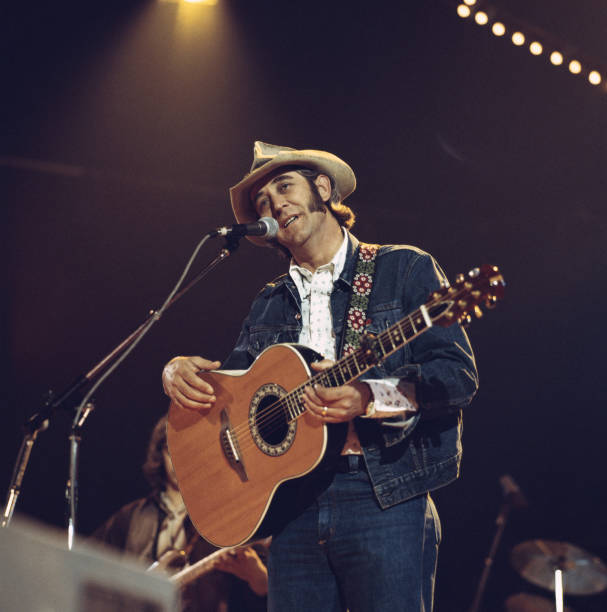
Perhaps that is the greatest lesson Don Williams left behind.
Not every comeback needs fireworks.
Not every masterpiece demands attention.
Sometimes the most unforgettable music arrives gently, like an old friend knocking on the door after many years away, smiling warmly as though no time has passed at all.
For those who waited eight long years to hear Don Williams again, And So It Goes was never simply another album.
It was proof that genuine artistry does not fade with silence.
It simply waits for the perfect moment to speak again.
And when that familiar voice finally returned, it sounded exactly as millions had hoped—steady, sincere, comforting, and timeless.
Like a conversation that had never truly ended.
Only paused until everyone was ready to listen once more.