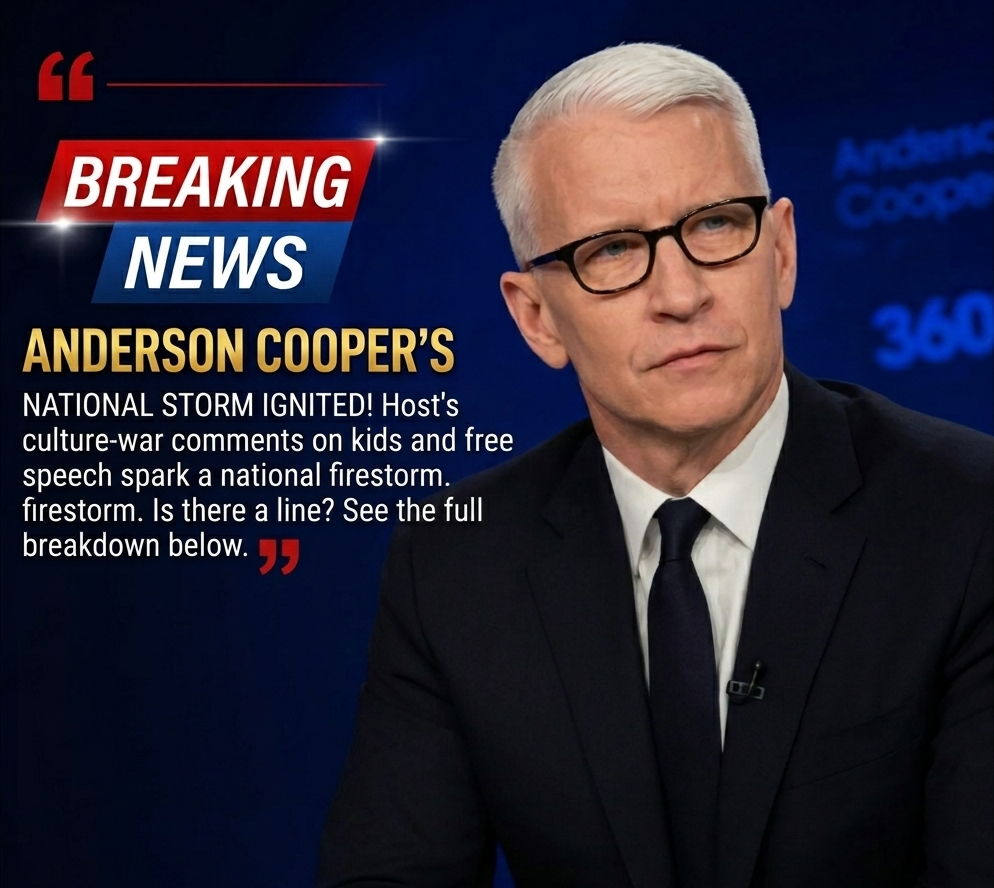
NEW YORK — A storm of controversy has erupted across the United States after a prominent television journalist’s remarks about children’s exposure to diverse cultures and social perspectives ignited a fierce national debate. What began as a discussion about parenting philosophy quickly transformed into a wider cultural battle involving free speech, parental rights, media influence, and the role of diversity in modern society.
The comments, made during a public discussion about raising children in an increasingly interconnected world, centered on the idea that young people should be exposed to a broad range of cultures, communities, and viewpoints from an early age. Included in that discussion was the topic of LGBT culture, a subject that has become one of the most politically charged issues in America today.
Within hours, clips of the remarks spread rapidly across social media platforms. Supporters praised the message as one of inclusion and openness, arguing that understanding different communities helps children develop empathy and respect for others. Critics, however, viewed the comments as an example of media figures attempting to influence family values and educational choices.
The reaction was immediate and intense.
Conservative commentators, advocacy organizations, and online activists condemned the statements, arguing that decisions about when and how children should be introduced to sensitive cultural and social topics belong exclusively to parents. Some groups accused mainstream media personalities of becoming increasingly disconnected from the concerns of ordinary American families.
Hashtags calling for accountability began trending online, while thousands of users posted videos, commentaries, and reactions expressing outrage. Several grassroots campaigns emerged almost overnight, encouraging viewers to voice their opposition through petitions, social media activism, and public demonstrations.
What made the controversy particularly explosive was not simply the content of the remarks themselves, but what many observers viewed as the symbolic significance behind them. For critics, the issue represented a larger struggle over cultural influence and the perceived role of major media organizations in shaping public opinion. For supporters, the backlash was evidence of a continuing resistance to conversations about diversity and inclusion.
As the debate intensified, social media platforms became battlegrounds for competing narratives.
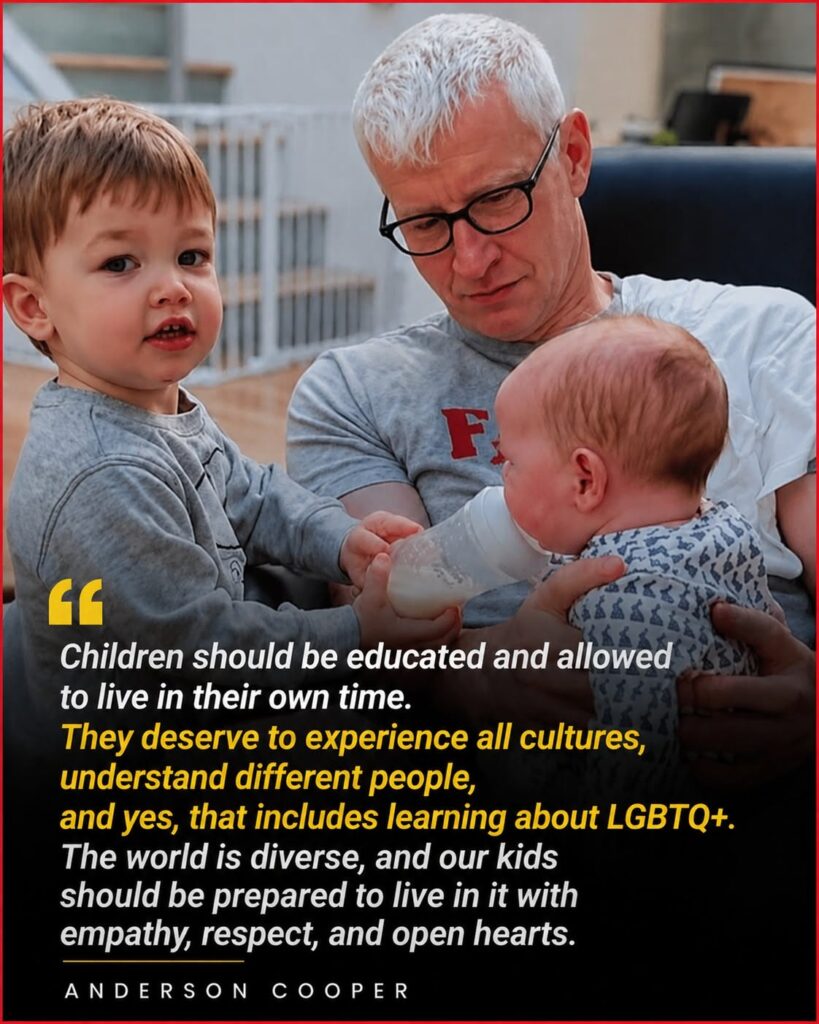
One side argued that exposure to different cultures does not equate to indoctrination. Advocates claimed that understanding various communities, including LGBT individuals, reflects the reality of modern society and prepares children to interact respectfully with people from different backgrounds.
The opposing side countered that exposure and endorsement are not the same thing. Many parents expressed concerns about the age at which certain topics are introduced and questioned whether public figures should be encouraging specific approaches to child development.
The controversy quickly expanded beyond parenting.
Political commentators began framing the dispute as part of a broader cultural conflict that has been unfolding across the United States for years. Debates surrounding education, school curricula, parental authority, identity, and freedom of expression have increasingly dominated headlines, legislative sessions, and public discourse.
Some analysts described the incident as another chapter in America’s ongoing “culture war”—a term used to describe conflicts between competing social values and visions for the country’s future.
What surprised many observers was the speed with which the discussion escalated.
Within a matter of days, what started as a personal opinion shared during a conversation had evolved into a national flashpoint. Television panels dissected every aspect of the controversy. Influencers produced lengthy reaction videos. Opinion writers published competing arguments defending or condemning the journalist’s position.
The intensity of the public reaction highlighted the powerful role social media now plays in shaping public discourse.
Unlike previous generations, where controversial statements might remain confined to a television broadcast or newspaper article, today’s digital environment allows comments to reach millions within minutes. Context is often lost as short clips circulate online, while emotional reactions spread faster than detailed analysis.
The result is a media landscape in which controversies can grow exponentially in a remarkably short period of time.
Supporters of the journalist argued that the backlash itself demonstrated why discussions about inclusion remain necessary. They maintained that learning about different communities does not threaten traditional values and can help reduce prejudice and misunderstanding.
Critics remained unconvinced.
Many argued that the issue is not about diversity itself but about who gets to decide what children learn and when. For these individuals, parental authority remains the central concern. They believe families—not media personalities, corporations, or institutions—should determine how children are introduced to complex social issues.
As public pressure mounted, attention turned toward corporate America.
In recent years, companies have increasingly found themselves caught in the middle of cultural and political controversies. Businesses often face difficult decisions when public disputes involve high-profile figures, social causes, or divisive political topics.
Some observers speculated that organizations associated with the journalist could face pressure from both supporters and opponents. Others warned that corporations risk alienating customers regardless of which side they appear to support.
This dynamic reflects a broader trend in American society, where brands are increasingly expected to respond to social issues while simultaneously attempting to avoid political polarization.
Meanwhile, media experts noted that the controversy raises important questions about journalism itself.
Should journalists publicly express personal views on controversial social issues? Can media personalities separate their professional roles from their personal beliefs? And in an era of constant public scrutiny, is such separation even possible?
These questions have become increasingly relevant as journalists, broadcasters, and commentators cultivate large personal followings on social media platforms.
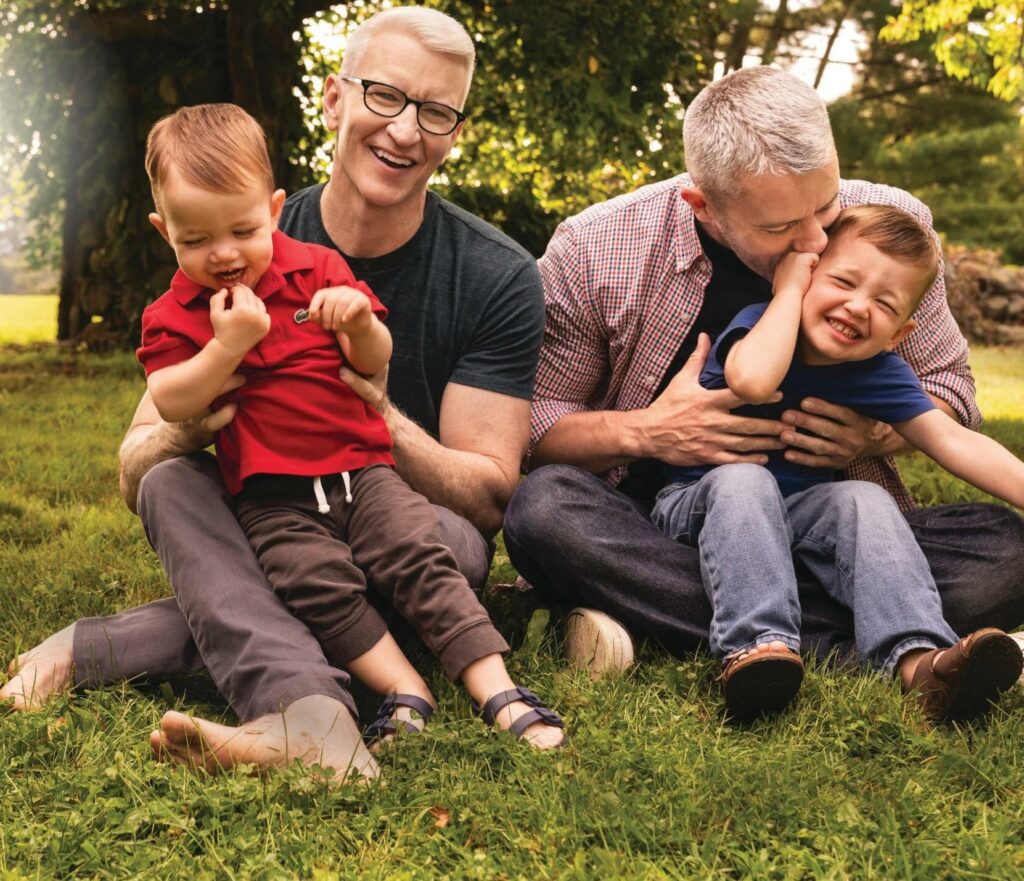
The controversy also revealed how deeply divided public opinion remains on questions involving culture, identity, and education.
While some Americans view diversity and inclusion initiatives as positive developments reflecting social progress, others see them as challenges to long-standing traditions and family values. These differences often extend beyond politics, touching on personal beliefs, religious convictions, and competing visions of community life.
As a result, even seemingly simple statements can become catalysts for much larger debates.
Whether the current controversy will have lasting consequences remains unclear. Public attention often moves quickly, and today’s viral dispute may soon be replaced by tomorrow’s headline.
Yet the issues at the center of the debate are unlikely to disappear.
Questions about free speech, parental rights, cultural representation, and social inclusion continue to shape American public life. They influence elections, educational policy, corporate decision-making, and everyday conversations across the country.
In that sense, the controversy may ultimately be remembered not for the comments that started it, but for what it revealed about the nation itself.
At a time when Americans increasingly consume different sources of information and live within separate ideological ecosystems, even discussions about parenting can become symbols of broader societal tensions.
For now, the debate continues, fueled by passionate voices on all sides. And as millions watch the controversy unfold, one thing is certain: the conversation has grown far beyond a single statement, becoming part of a larger national struggle over values, identity, and the future direction of American culture.