
In an age where social media can transform the most unlikely rumor into a worldwide conversation within hours, few stories have captured public attention quite like the recent viral tale involving Dolly Parton, Sylvester Stallone, and an alleged “twin baby” surprise.
The headline alone seemed almost designed to stop people in their tracks.
Two legendary entertainers from entirely different corners of American culture. A heartwarming family twist. Millions of curious viewers clicking, sharing, and commenting.
Within days, the story spread across social media feeds, fan groups, video platforms, and discussion forums. Some people reacted with excitement. Others expressed confusion. Many simply wanted to know one thing:
Could any of this actually be true?
The fascination surrounding the story reveals something much larger than the rumor itself.
It highlights the extraordinary place both Dolly Parton and Sylvester Stallone occupy in popular culture.
For decades, these two stars have represented very different worlds.
Dolly Parton became one of the most beloved figures in country music history. Her warmth, humor, generosity, and unforgettable songs turned her into an American icon whose appeal reaches far beyond music.
Sylvester Stallone, meanwhile, became synonymous with determination, resilience, and cinematic heroism. Through legendary roles that inspired generations, he built a career based on perseverance and strength.
At first glance, the idea of these two entertainment giants being connected through a surprising family story seems almost impossible.
Yet that very impossibility may explain why the rumor exploded online.
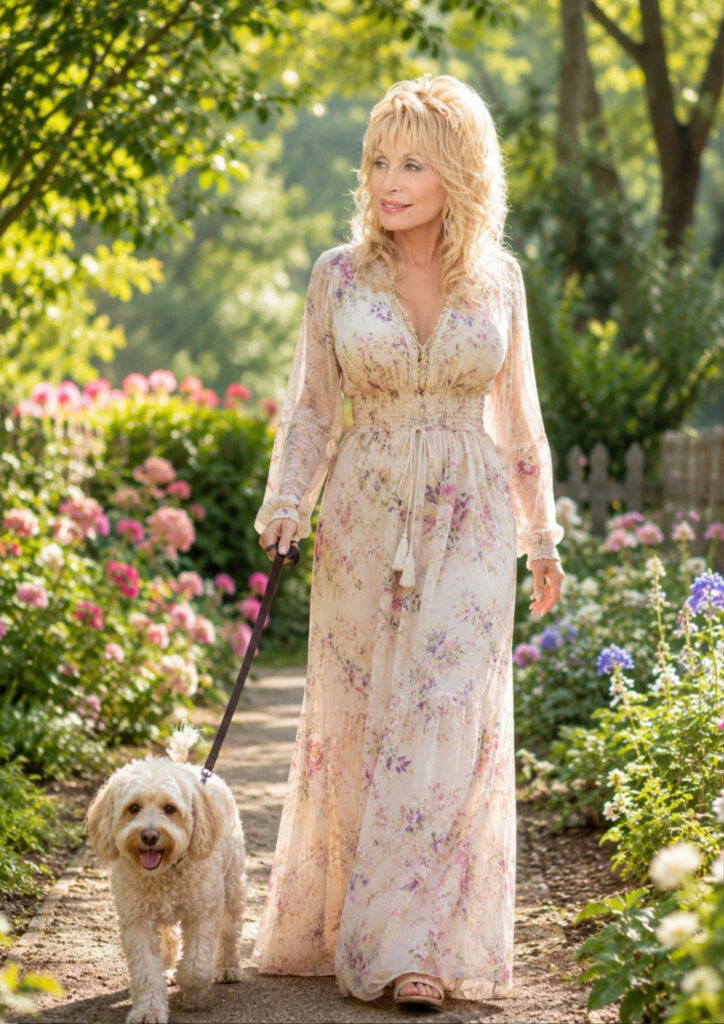
People are naturally drawn to stories that challenge expectations.
A surprising connection.
An emotional revelation.
A hidden chapter nobody saw coming.
These are the ingredients that fuel modern viral culture.
And when famous names are involved, curiosity multiplies.
As the story circulated, reactions varied dramatically.
Some fans embraced it immediately.
Social media users began posting emotional comments, expressing amazement and excitement at the possibility that such an unexpected connection could exist.
Others approached the claims more cautiously.
Questions quickly emerged.
Where did the story originate?
Who first shared it?
Was there any evidence supporting the claims?
Could the entire narrative simply be another example of internet storytelling evolving faster than facts?
Those questions reveal a growing challenge in the digital age.
Information now travels faster than verification.
A headline can reach millions before anyone has time to investigate its accuracy.
An emotional story can feel true long before it is proven true.
And when beloved celebrities are involved, people often share content based on how it makes them feel rather than what has been confirmed.
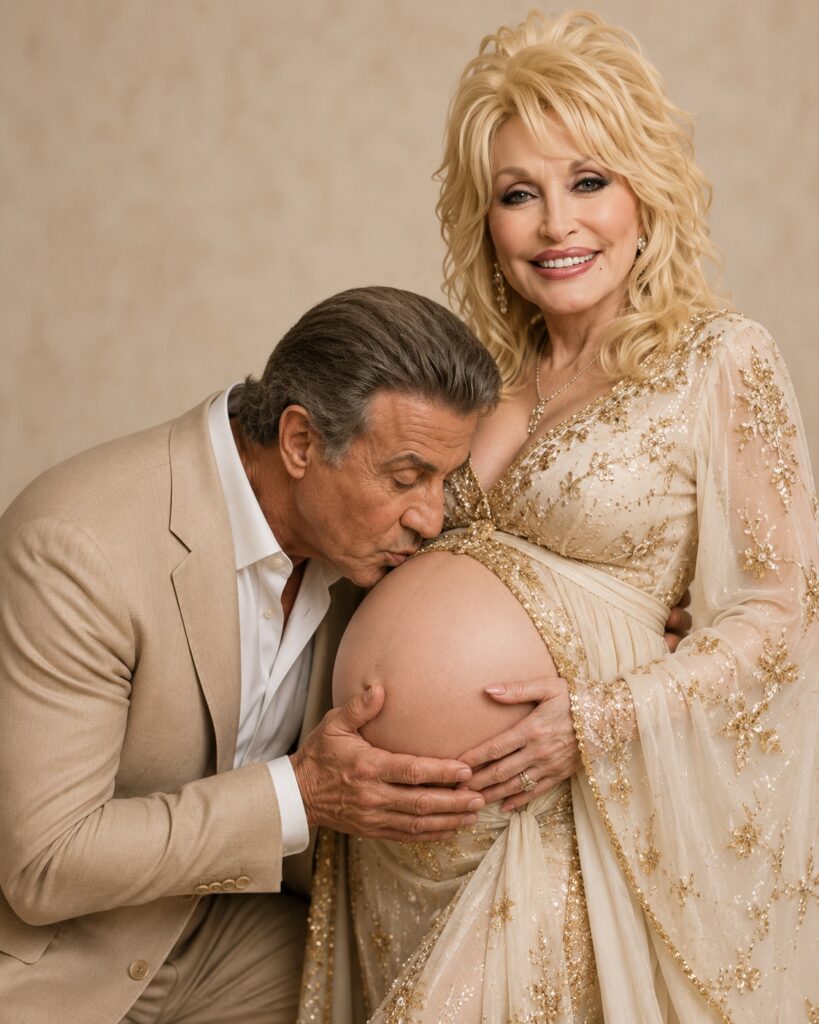
That phenomenon helps explain why celebrity rumors remain among the most powerful forms of online content.
They combine familiarity with surprise.
People already feel connected to public figures they have admired for years.
When unexpected news appears involving those figures, curiosity becomes almost irresistible.
In many ways, Dolly Parton represents the perfect example of this effect.
For more than six decades, she has remained one of the most trusted and admired personalities in entertainment.
Unlike many celebrities whose public image changes dramatically over time, Dolly has maintained a reputation for kindness, authenticity, and humor.
Fans often feel as though they know her personally.
That emotional connection creates a unique dynamic.
When stories involving Dolly appear online, people pay attention.
Not because they are seeking controversy.
But because they genuinely care about her.
The same can be said for Stallone.
Generations grew up watching his films and identifying with the determination of the characters he portrayed.
His journey from struggling actor to global superstar became part of Hollywood history.
As a result, audiences remain deeply interested in his personal and professional life.
Combine those two powerful fan bases and it becomes easier to understand why the viral story generated so much attention.
Yet the broader lesson may have less to do with celebrities and more to do with how modern audiences consume information.
The internet rewards emotional engagement.
Stories that surprise people often spread faster than stories that simply inform them.
A shocking headline can travel around the world before a careful fact-check reaches the first thousand readers.
That reality creates a fascinating paradox.
People have access to more information than ever before.
At the same time, separating fact from fiction has become increasingly complicated.
Many media experts point out that viral stories often follow predictable patterns.
First comes the surprising claim.
Then comes the emotional reaction.
Next comes widespread sharing.
Only afterward do questions about accuracy begin to emerge.
The Dolly Parton and Sylvester Stallone rumor appears to fit that pattern perfectly.
Its power lies not necessarily in whether the story is true, but in how effectively it captures attention.
The idea feels cinematic.
It feels emotional.
It feels like something that belongs in a movie script rather than real life.
And perhaps that is exactly why so many people wanted to believe it.
Human beings are storytellers by nature.
We are drawn to narratives that offer hope, surprise, and connection.
The internet simply amplifies those instincts on an unprecedented scale.
At the center of all this attention remain two individuals whose careers have already transcended ordinary celebrity status.
Dolly Parton and Sylvester Stallone no longer occupy the cultural role of temporary stars.
They are icons.
Their names evoke decades of memories, accomplishments, and emotional connections.
People do not merely follow them.
They grow up with them.
That enduring relevance explains why almost any story involving either figure can become a major topic of conversation.
Whether discussing music, film, philanthropy, business, or personal milestones, audiences remain interested because these celebrities have become part of cultural history.
The viral twin baby story may eventually fade like countless internet sensations before it.
New headlines will emerge.
New rumors will appear.
New conversations will dominate social media.
But the reaction to this particular story offers an important reminder about modern culture.
People are still searching for wonder.
They are still searching for surprises.
They are still searching for stories that momentarily interrupt the routine flow of daily life.
Sometimes those stories prove true.
Sometimes they do not.
Yet the emotional response they generate tells us something meaningful about the audiences consuming them.
In the end, perhaps the most remarkable aspect of the viral phenomenon is not the claim itself.
It is the enthusiasm with which millions of people engaged with it.
For a brief moment, fans across generations found themselves discussing the same surprising headline.
They laughed.
They speculated.
They questioned.
They shared.
And in doing so, they demonstrated the extraordinary power of celebrity storytelling in the digital age.
Whether fact, fiction, misunderstanding, or internet myth, the Dolly Parton and Sylvester Stallone viral baby story achieved something undeniable.
It captured the world’s attention.
And in today’s endlessly crowded online landscape, that may be the most astonishing accomplishment of all.