
By the early 1990s, Dolly Parton had already achieved what many artists spend an entire lifetime chasing. She had become one of country music’s most celebrated singers, an award-winning songwriter, a successful actress, and a beloved entertainer whose influence stretched far beyond Nashville. Yet despite decades of extraordinary accomplishments, Dolly never approached her career as someone ready to slow down. Instead, she continued embracing new challenges while staying true to the qualities that had made audiences fall in love with her in the first place.
That spirit was on full display in 1993.
For many artists, remaining relevant after decades in the spotlight can be one of the greatest challenges imaginable. Musical trends evolve, audiences change, and the industry constantly searches for its next new star. Yet Dolly Parton had never relied on trends to define her career. She relied on something much more enduring—honest storytelling, memorable melodies, and an unmistakable voice that instantly made listeners feel at home.
The release of Slow Dancing with the Moon reflected exactly that philosophy.
Rather than attempting to reinvent herself simply to follow the latest musical direction, Dolly chose to continue doing what she had always done best: writing songs filled with warmth, vulnerability, humor, and genuine emotion. The album offered another reminder that authenticity could remain timeless, even as country music entered a new era filled with fresh faces and changing production styles.
Fans immediately recognized that familiar sense of sincerity.
Every song carried the unmistakable personality that had become Dolly’s trademark throughout her career. Whether singing about love, heartbreak, hope, or life’s quiet moments, she possessed a rare ability to make every lyric feel personal. Listeners often described her music as conversations rather than performances—a quality that few artists have ever mastered.
While Slow Dancing with the Moon introduced audiences to new material, it also reinforced everything that had already made Dolly one of country music’s most respected performers.
Throughout 1993, she continued appearing before enthusiastic audiences across the United States, reminding longtime fans why her concerts had become such cherished experiences. Unlike performers who relied heavily on elaborate stage productions, Dolly’s greatest strength remained her natural connection with people. She had an extraordinary ability to transform even the largest venues into intimate gatherings where every audience member felt included.
That connection had been built over decades.
People didn’t simply attend a Dolly Parton concert to hear familiar songs. They came to hear the stories behind those songs, to laugh at her effortless humor, and to witness the genuine kindness that had become inseparable from her public image. Her performances were filled with warmth and spontaneity, creating moments that audiences remembered long after the final encore.
By 1993, country music itself was experiencing significant change.
A new generation of performers was rising rapidly, introducing modern production techniques and attracting younger audiences. Radio playlists were evolving, and competition for chart success had become fiercer than ever. Many veteran artists found themselves struggling to adapt to an industry moving at an increasingly rapid pace.
Dolly Parton approached that challenge differently.
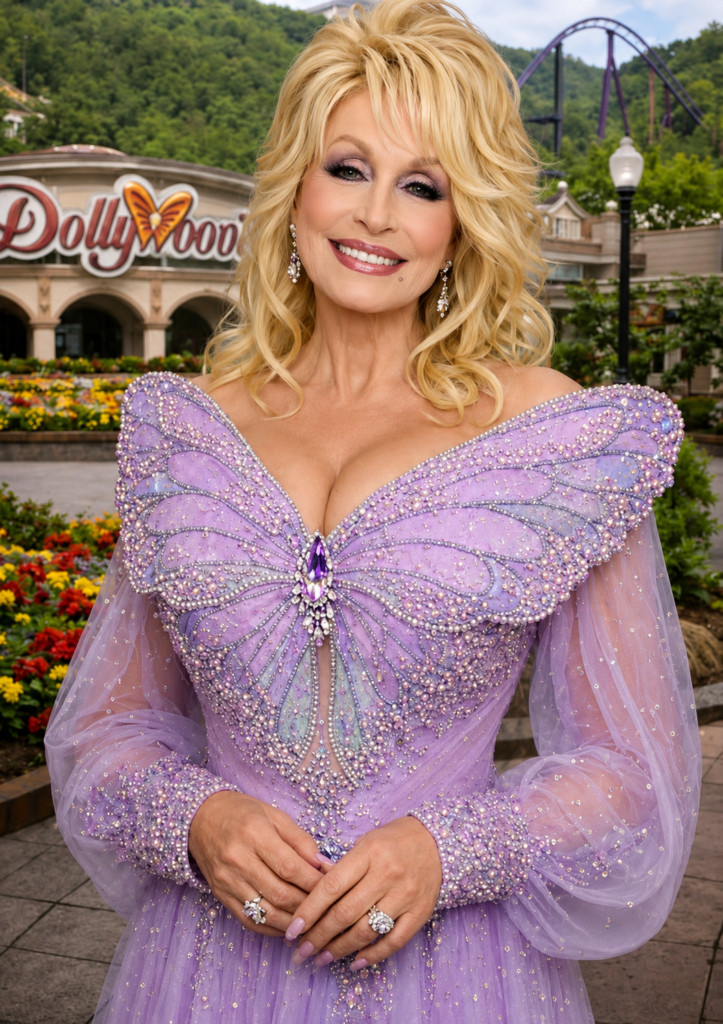
Instead of trying to imitate younger artists or completely reinvent her musical identity, she embraced consistency. She understood that the qualities audiences appreciated most were not flashy trends or temporary styles but honesty, craftsmanship, and heartfelt songwriting.
That confidence allowed her to remain relevant without sacrificing authenticity.
Perhaps that was one of Dolly’s greatest strengths throughout her remarkable career. She never seemed interested in chasing popularity for its own sake. Success certainly mattered, but staying true to herself mattered even more. That quiet confidence resonated with fans who admired not only her talent but also her integrity.
Songwriting had always been at the center of Dolly’s creative world.
Long before she became a global icon, she had earned admiration as one of country music’s finest writers. Her songs possessed a remarkable ability to balance emotional honesty with universal themes, allowing listeners from every generation to discover pieces of their own lives within her lyrics.
That gift remained evident throughout the songs she continued sharing in 1993.
Whether exploring relationships, personal reflection, or life’s everyday struggles, Dolly wrote with a sincerity that never felt manufactured. Every lyric carried the unmistakable voice of someone who genuinely understood the emotions she was describing.
This authenticity became increasingly valuable as commercial pressures within the music industry continued growing.
Audiences could sense the difference.
While production styles changed and musical trends shifted from year to year, Dolly’s songs continued offering something remarkably consistent: emotional truth.
Her influence during this period extended well beyond music alone.
Television appearances, interviews, and public events gave fans countless opportunities to see the same warmth and generosity that defined her recordings. Dolly possessed an extraordinary ability to make every conversation feel relaxed and genuine, often combining quick wit with heartfelt wisdom in a way that made people instantly comfortable.
That authenticity helped strengthen one of the most trusted personal brands in entertainment.
Fans admired her achievements, but they admired her character even more.
Even after decades of extraordinary success, she remained approachable, humorous, and grateful for every opportunity. Those qualities made people feel that they knew Dolly personally, even if they had never met her.
Looking back today, it becomes clear why 1993 remains such an important chapter in her remarkable journey.
It may not have been defined by a single historic milestone or one unforgettable headline. Instead, it demonstrated something far more meaningful—the remarkable consistency that had allowed Dolly Parton to remain beloved across generations.
She continued creating meaningful music.
She continued performing for devoted audiences.
She continued writing songs filled with heart.
And she continued proving that genuine artistry never depends solely on trends or chart positions.
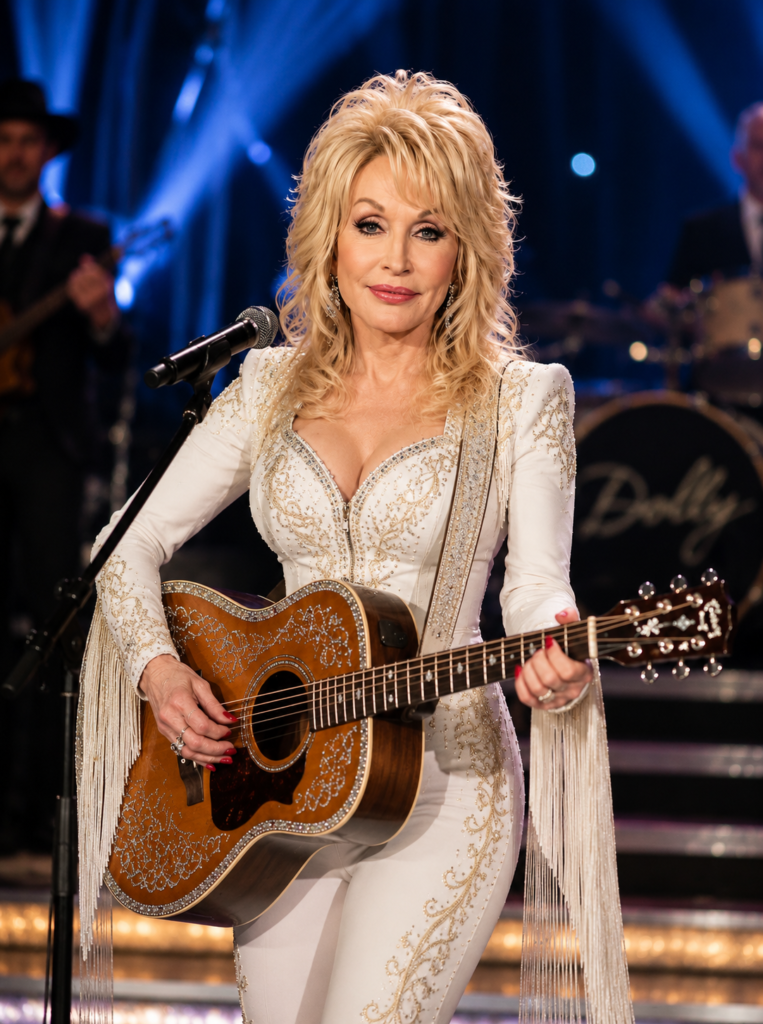
Years later, many fans still return to Slow Dancing with the Moon not simply because it represents another album in Dolly’s extensive catalog, but because it captures an artist completely comfortable with who she had become. There is a quiet confidence woven throughout the project—a confidence earned through decades of hard work, perseverance, and unwavering dedication to her craft.
Perhaps that is the greatest lesson from Dolly Parton’s career during this era.
Longevity is rarely achieved through constant reinvention alone. More often, it comes from understanding who you are and refusing to lose that identity while the world around you changes.
Dolly Parton mastered that balance better than almost anyone in country music.
She embraced new opportunities without abandoning her roots.
She welcomed new audiences without forgetting longtime fans.
She continued evolving while remaining unmistakably herself.
That combination helped transform an already legendary career into one that continues inspiring musicians around the world.
Today, when listeners revisit the music of 1993, they hear far more than another successful album. They hear an artist whose confidence no longer depended on proving anything to anyone. Every performance, every lyric, and every appearance reflected someone who had discovered that true success is measured not only by awards or chart positions, but by the lasting connection built with generations of listeners.
More than three decades later, that connection remains remarkably strong.
New audiences continue discovering her music, longtime fans continue celebrating the songs that shaped their lives, and younger artists continue pointing to Dolly Parton as one of the greatest influences in country music history.
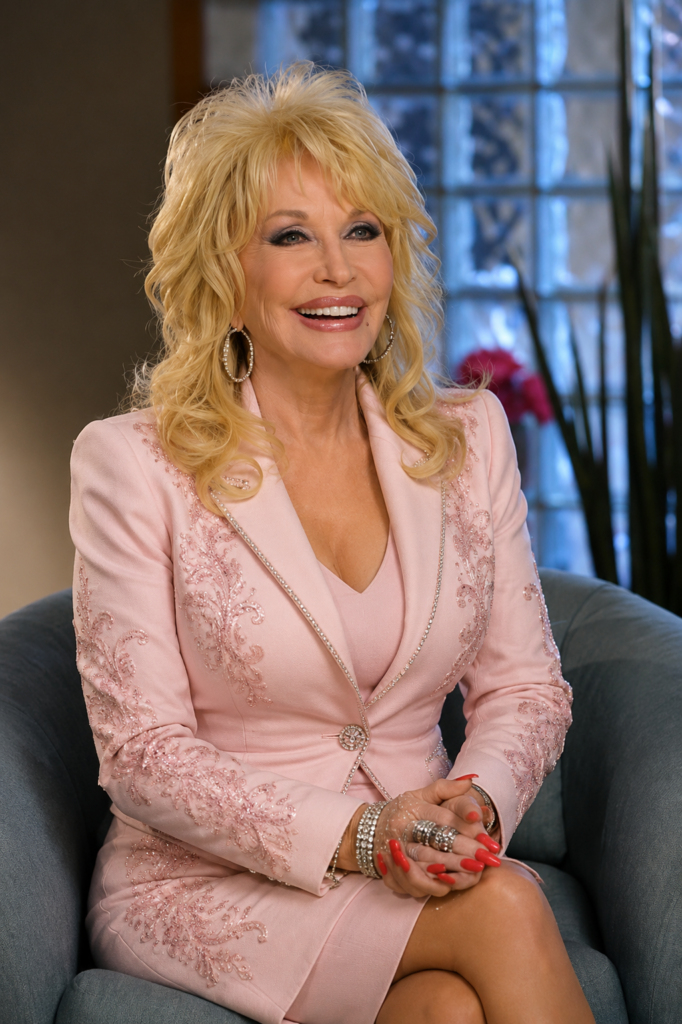
Looking back, 1993 was indeed another unforgettable year for Dolly Parton—not because it changed who she was, but because it reminded the world exactly why she had become one of music’s most enduring and beloved voices in the first place.